Exam Preparation Guide: ChatGPT Prompts for Success
Master exam preparation with these ChatGPT prompts designed to help you study effectively, create study schedules, and perform well in academic assessments.

Preparing for exams can be overwhelming, especially when you're juggling multiple subjects and deadlines. ChatGPT can be your personal study assistant, helping you create structured study plans, generate practice questions, and develop effective exam strategies.
This guide provides proven ChatGPT prompts for every stage of exam preparation—from initial planning to last-minute review. Whether you're studying for finals, standardized tests, or professional certifications, these prompts will help you study smarter, not harder.
Note:
Pro Tip: Start your exam preparation at least 2-3 weeks in advance. Use the Study Schedule prompt first to create a structured plan, then work through topic-specific prompts systematically.
Study Planning
Effective exam preparation starts with a solid plan. These prompts help you create realistic study schedules, prioritize topics based on your current understanding, and allocate time efficiently across all exam content.
Study Schedule
Help me create a study schedule for my [subject] exam in [timeframe]. Consider:
- Key topics to cover
- Time allocation per topic
- Review sessions
- Practice tests
- Break periods
Example Usage: Replace [subject] with "Biology" and [timeframe] with "3 weeks" to get a customized study plan that balances content coverage with adequate review time.
Topic Prioritization
Help me prioritize topics for my [subject] exam. My current understanding levels are:
[topic list with understanding levels]
Suggest:
- Study order
- Time allocation
- Focus areas
- Review strategies
Example Usage: List each exam topic with your confidence level (e.g., "Cell Biology - confident, Genetics - moderate, Evolution - needs work") to receive a prioritized study plan focusing on your weak areas first.
Content Review
Once you have a study plan, these prompts help you actively review and organize exam content. Creating concept maps and summaries transforms passive reading into active learning, improving retention and understanding.
Concept Mapping
Help me create a concept map for [topic] in [subject]. Include:
- Key concepts
- Relationships between concepts
- Important examples
- Common applications
Summary Creation
Help me create a comprehensive summary of [topic] for exam revision. Include:
- Main theories/concepts
- Key definitions
- Important formulas/equations
- Notable examples
- Common misconceptions
For essay-based exams, check out our Essay Writing Guide for additional strategies on structuring your responses effectively.
Practice & Assessment
Active practice is crucial for exam success. Use these prompts to generate custom practice questions, create mock exams, and test your knowledge under realistic conditions. Regular self-assessment helps identify knowledge gaps before exam day.
Note:
Academic Integrity: These prompts are designed to help you study and prepare. Always ensure your exam responses represent your own understanding and comply with your institution's academic integrity policies.
Question Generation
Generate practice questions for [topic] in [subject]. Include:
- Multiple choice questions
- Short answer questions
- Essay prompts
- Problem-solving scenarios
Provide answer explanations for each question.
Mock Exam
Create a mock exam for [subject] covering [topics]. Include:
- Time allocation
- Question variety
- Difficulty progression
- Marking criteria
Exam Strategies
Beyond content knowledge, exam success requires strategic thinking. These prompts help you develop time management skills and learn effective techniques for different question types.
Time Management
Help me develop a time management strategy for my [subject] exam. The exam format is:
[exam format details]
Provide:
- Section time allocation
- Question prioritization
- Buffer time planning
- Emergency time-saving tips
Answer Techniques
Provide techniques for answering [question type] questions in [subject]. Include:
- Structure guidelines
- Key points to include
- Common pitfalls to avoid
- Time management tips
For citation-heavy exams, refer to our Citation Guide to ensure proper formatting of references.
Best Practices for Exam Preparation
Start Early and Stay Consistent
Begin your preparation at least 2-3 weeks before the exam date. Consistent daily study sessions (even 30-60 minutes) are more effective than last-minute cramming. Use the Study Schedule prompt to create a realistic timeline that accounts for your other commitments.
Use Active Learning Techniques
Passive reading is one of the least effective study methods. Instead, engage with the material actively:
- Active Recall: Test yourself regularly instead of just re-reading notes. Close your textbook and try to explain concepts from memory.
- Spaced Repetition: Review material at increasing intervals (1 day, 3 days, 1 week) to strengthen long-term retention.
- Practice Testing: Use the Question Generation prompt to create custom quizzes that simulate real exam questions.
Simulate Exam Conditions
Practice under realistic exam conditions using the Mock Exam prompt. This helps reduce test anxiety and improves time management skills. Set a timer, work in a quiet space, and avoid checking notes or resources during practice tests.
Maintain Physical and Mental Well-being
Your brain performs best when your body is healthy:
- Take Strategic Breaks: Use the Pomodoro Technique—study for 50 minutes, then take a 10-minute break to recharge.
- Prioritize Sleep: Get 7-8 hours of sleep each night, especially the night before the exam. Sleep consolidates memories and improves problem-solving abilities.
- Stay Hydrated and Nourished: Drink plenty of water and eat nutritious meals. Avoid excessive caffeine, which can increase anxiety.
- Exercise Regularly: Physical activity reduces stress hormones and improves focus and cognitive function.
Review Past Exams and Common Patterns
If your instructor provides past exams or sample questions, analyze them carefully. Look for patterns in question types, topics emphasized, and difficulty levels. Use the Question Generation prompt to create similar practice questions based on these patterns.
For comprehensive essay exam preparation, explore our Essay Structure Guide to learn how to organize your thoughts quickly under time pressure.
Related Articles & Guides
 #academic
Presentation Guide - Master Academic Presentations
Master academic presentations with these ChatGPT prompts designed to help you create and deliver effective presentations, from planning to delivery.
 #chatgpt-prompts
ChatGPT Research Assistant Prompts for Academics
Master academic research with ChatGPT. Comprehensive prompts for literature reviews, methodology, data analysis, and scholarly writing.
 #academic-writing
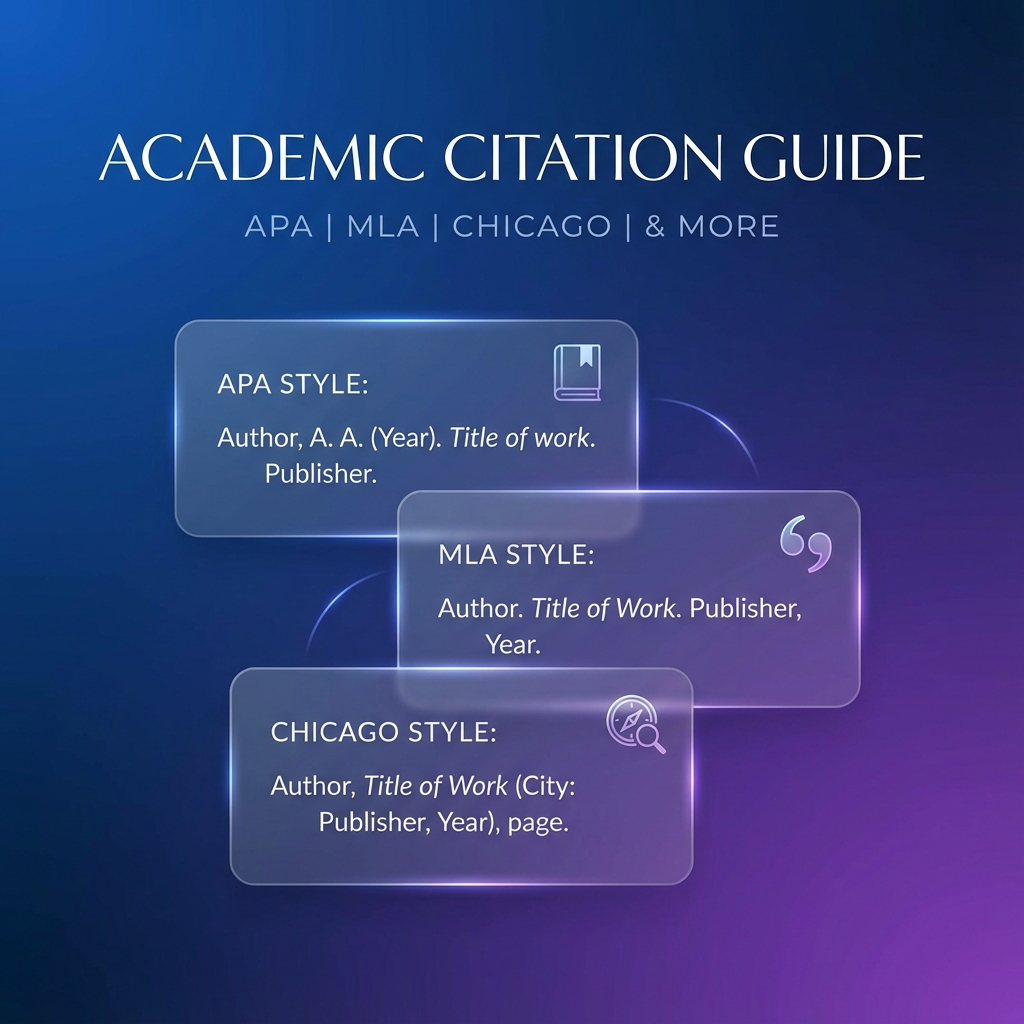
Academic Citation Guide
Master academic citations with these comprehensive prompts designed to help you properly cite sources, manage references, and handle complex citation scenarios in academic writing.