Midjourney Art Styles: Master Diverse Artistic Aesthetics and Techniques
Unlock the full range of artistic styles in Midjourney. Learn to craft prompts for digital art, traditional media, contemporary styles, and historical aesthetics. Master style parameters, blending techniques, and best practices.
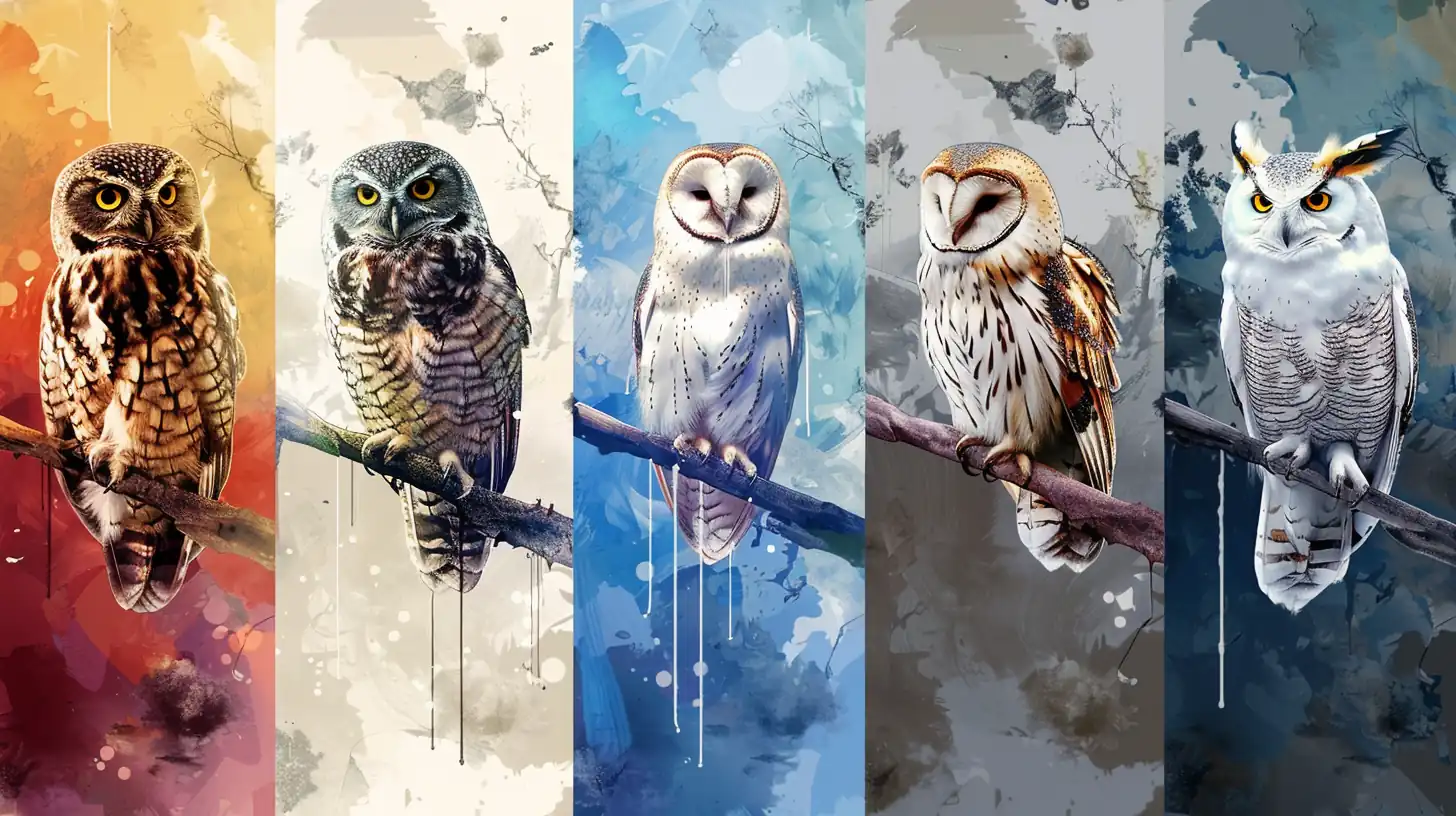
Midjourney excels at rendering artwork across virtually every artistic style imaginable. Whether you're drawn to the smooth brushwork of impressionism, the sharp vectors of modern digital art, or the texture-rich depth of oil painting, Midjourney can bring your vision to life. This guide teaches you how to craft prompts that capture the essence of different artistic styles and techniques.
Master Major Art Style Categories
Digital Art
Traditional Media
Fine Art Movements
Contemporary Styles
Historical Art Movements
Capture the essence of classical to contemporary art periods.
Art Movement Style Descriptors
Digital Art
Modern digital aesthetics with clean edges, vibrant colors, and contemporary techniques.
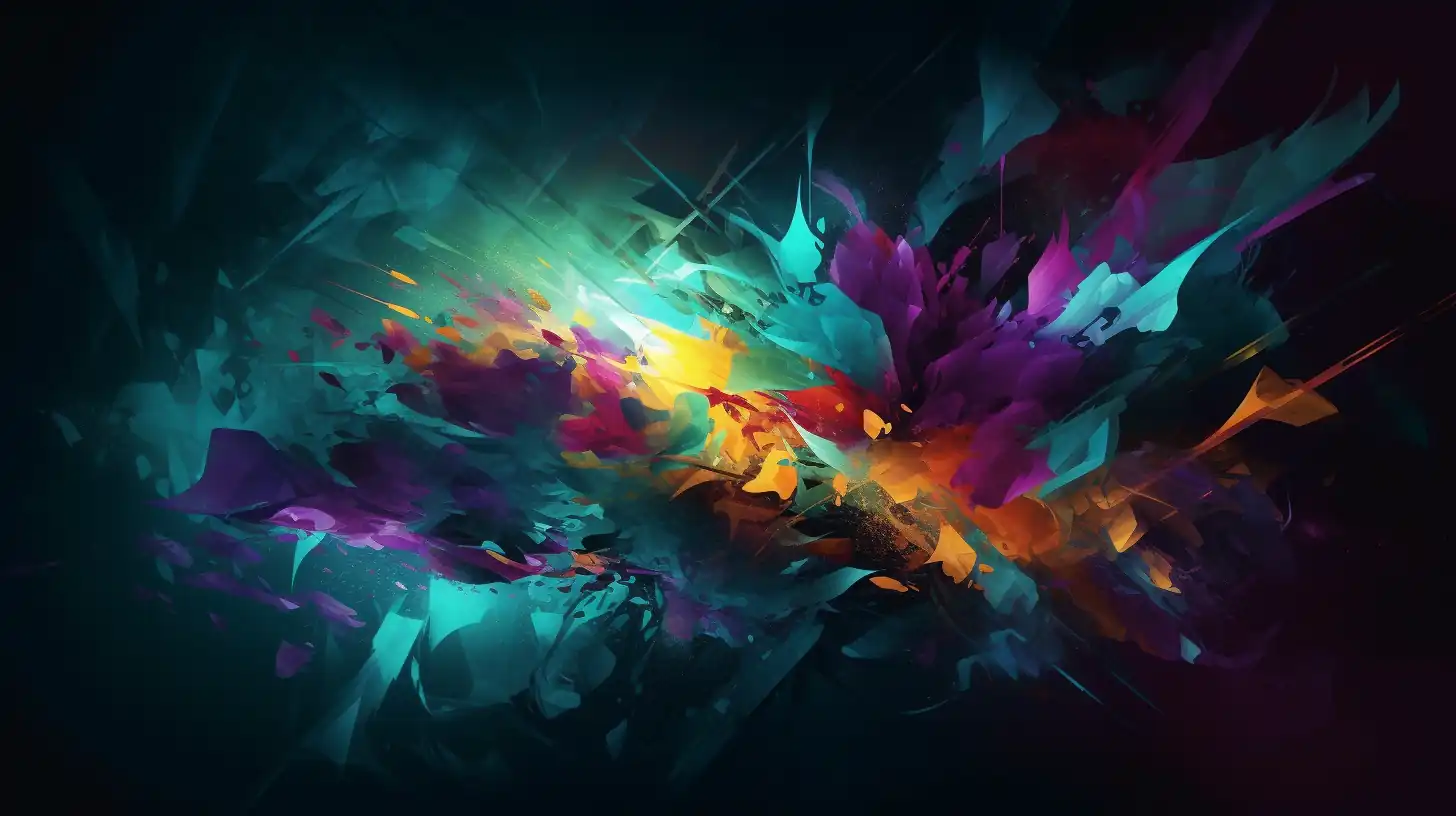
Digital painting in modern style: vibrant color gradients with teal and purple accents, sharp details with clean edges and precise linework, dynamic lighting with dramatic shadows and highlights, abstract geometric elements and organic shapes --ar 16:9 --q 2 --s 750
Explore Digital Art Techniques →
Oil Painting
Classical and contemporary oil painting techniques with rich texture and depth.
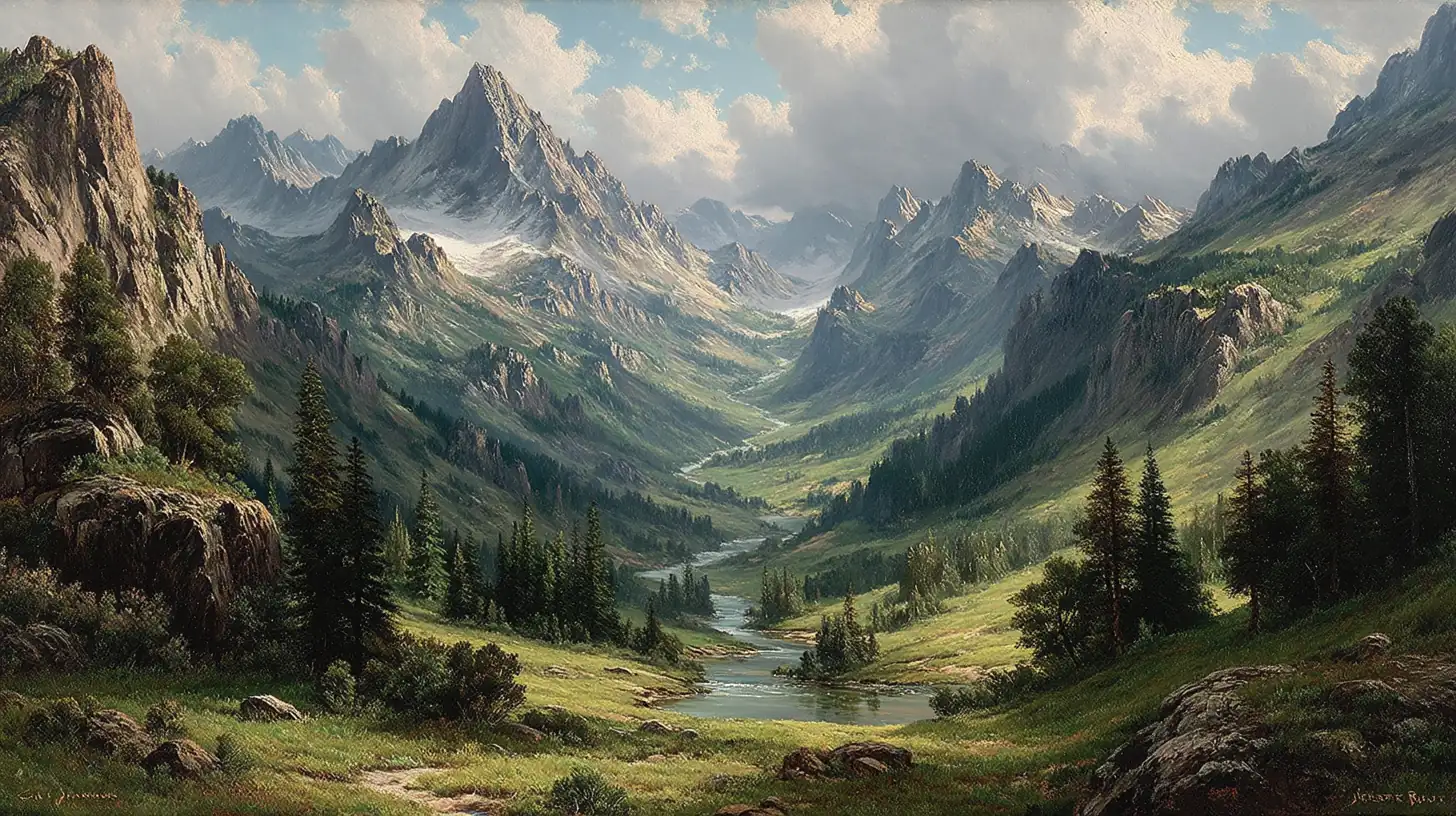
Classical oil painting landscape: dramatic mountain valley with storm clouds clearing, golden hour lighting illuminating peaks, rich deep shadows in foreground, smooth blending technique, Hudson River School style, highly detailed foliage and rocks, atmospheric depth, oil on canvas texture --ar 16:9 --stylize 500 --q 2
Explore Oil Painting Techniques →
Watercolor
Fluid washes, translucent layers, and traditional watercolor effects.
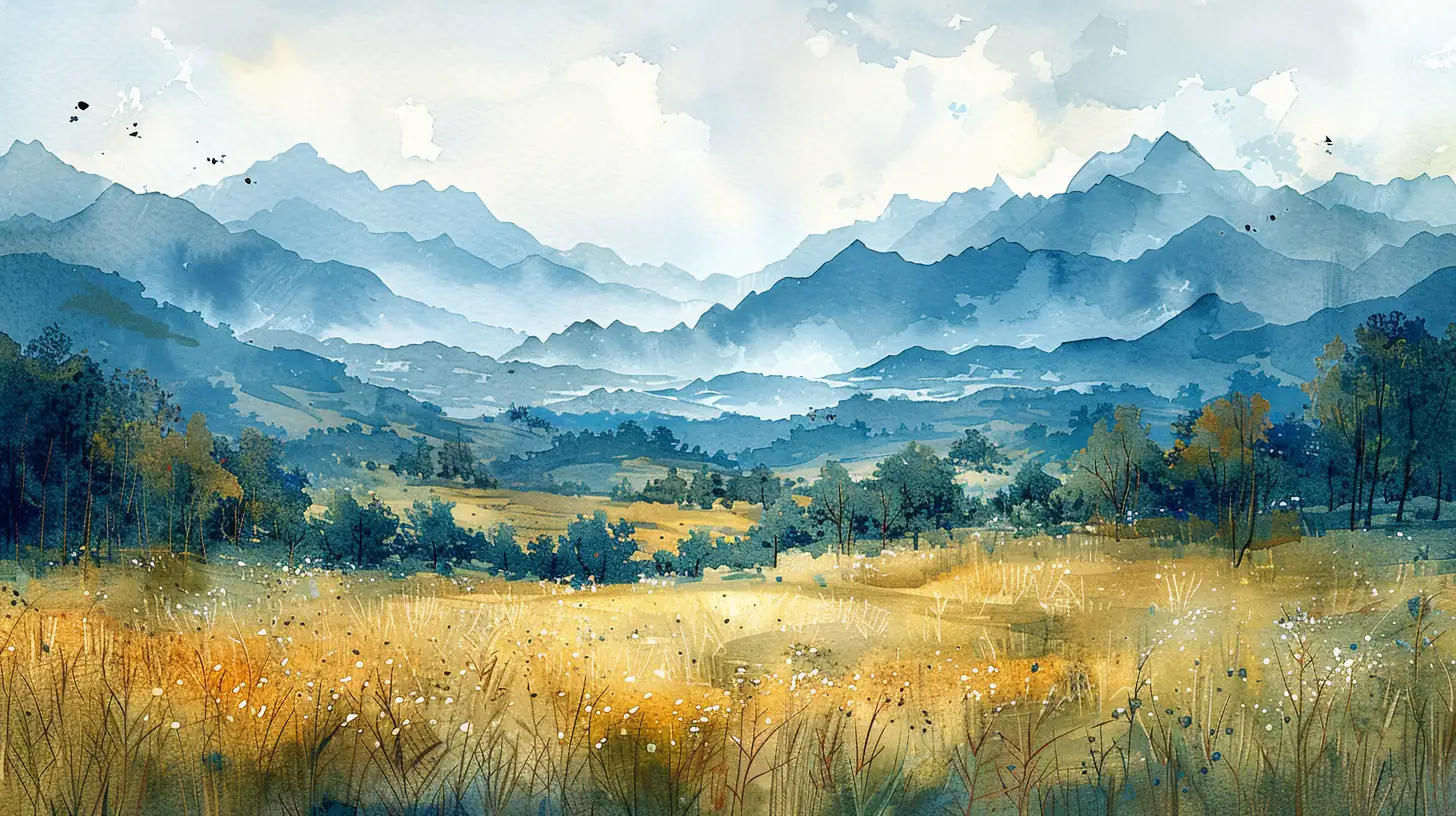
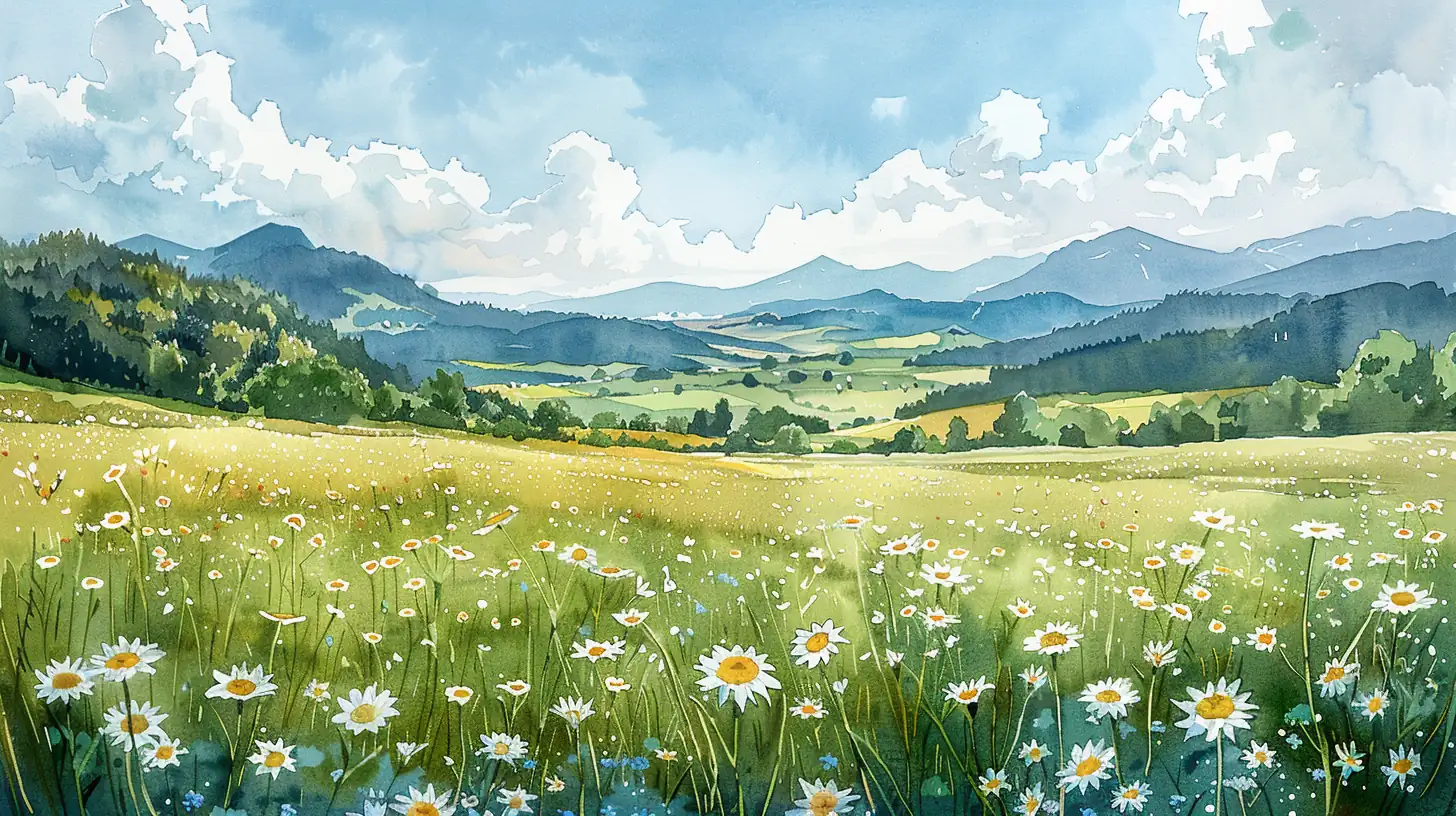
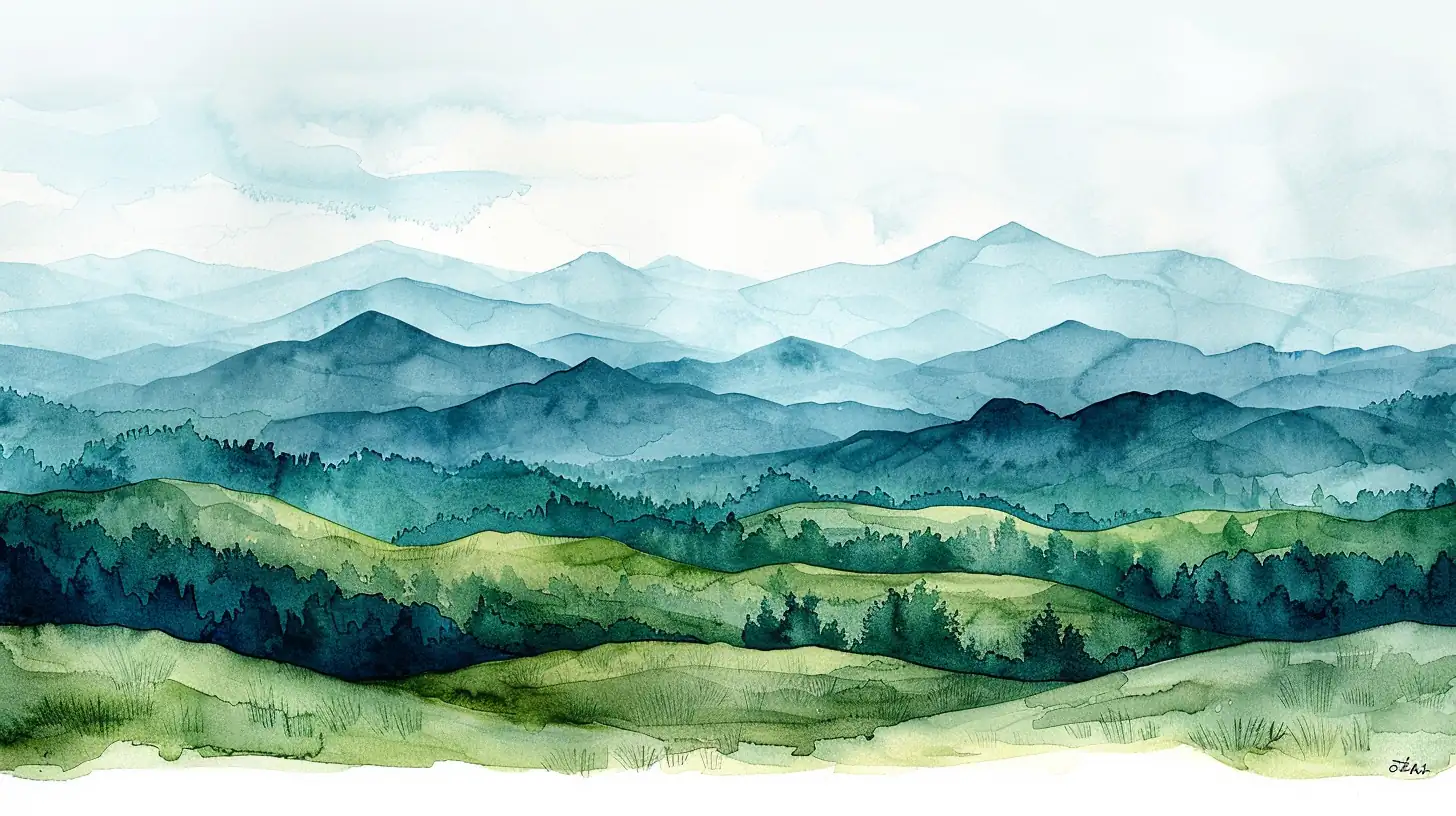
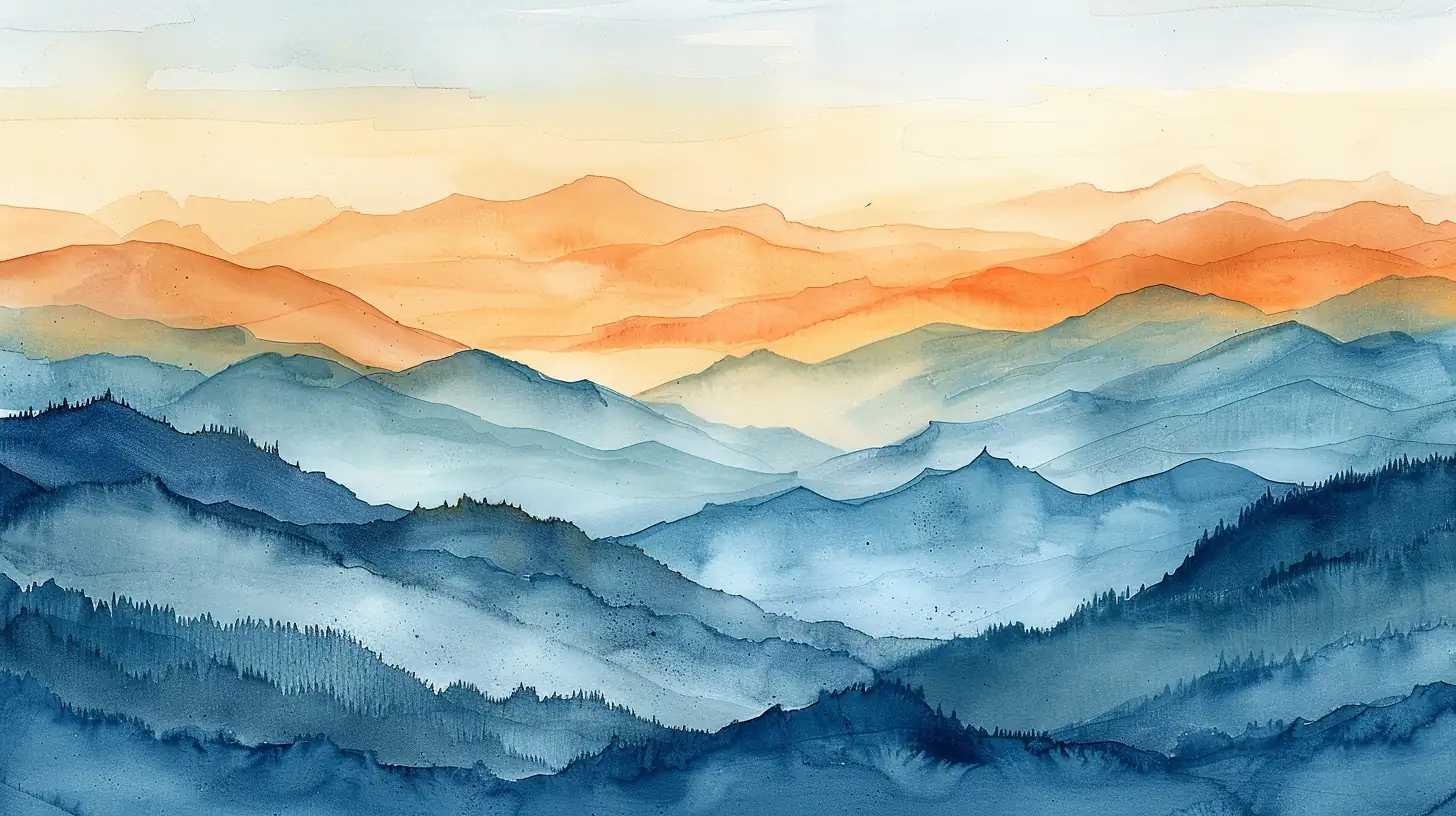
Traditional watercolor landscape: rolling hills with distant mountains, soft color washes in earth tones and subtle blues, wet-on-wet effects in sky creating soft atmospheric perspective, cold-pressed paper texture, preserved white highlights for light and water, natural lighting with warm glow, loose brush strokes with controlled edges --ar 16:9 --stylize 650 --q 2
Explore Watercolor Techniques →
Pixel Art
Retro game art, 8-bit, 16-bit, and sprite aesthetics.
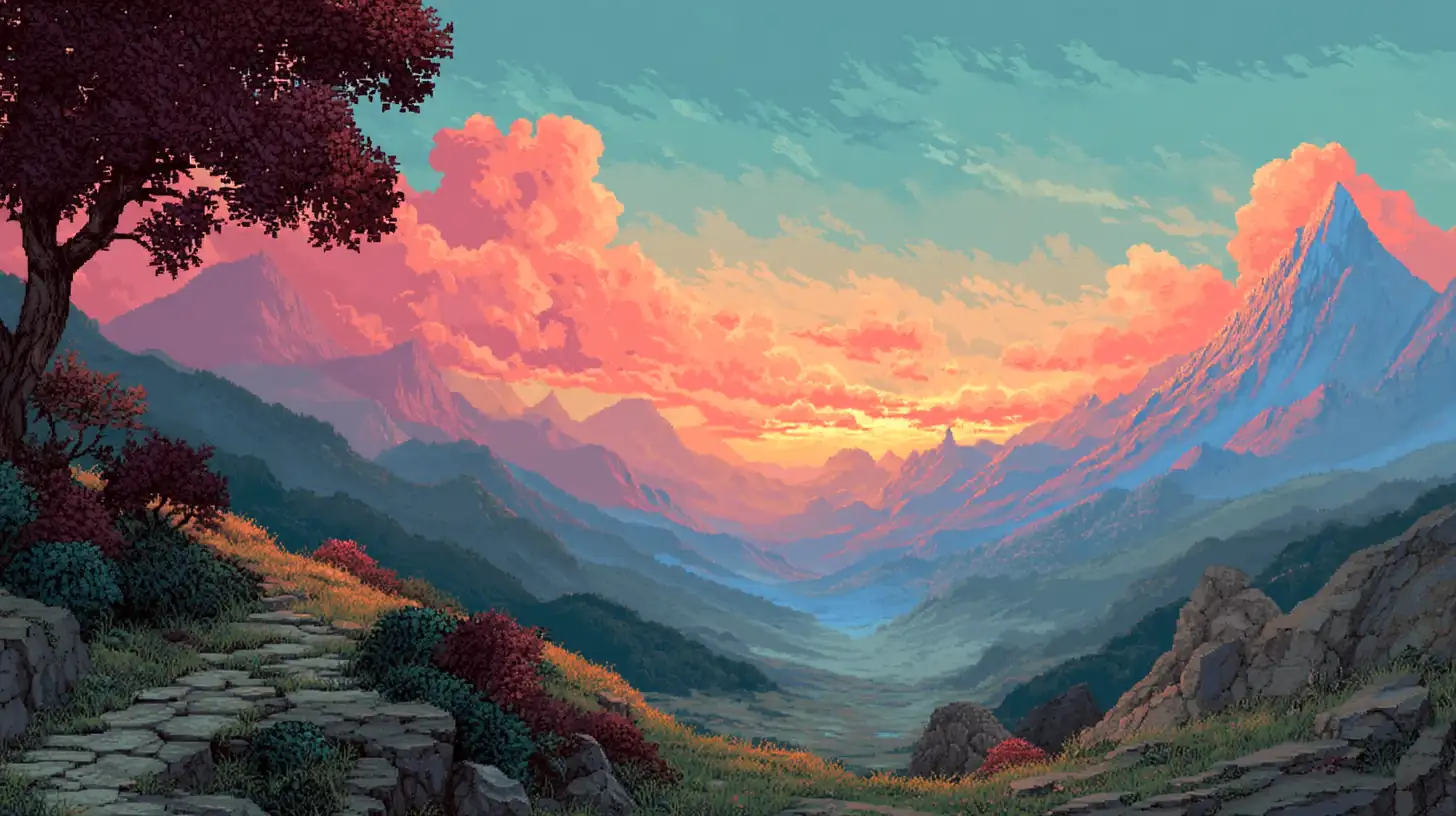
16-bit pixel art landscape: mountain valley at sunset, SNES style graphics, rich color palette with gradients, layered parallax background, detailed foreground vegetation, atmospheric depth with color banding, dithering for sky transitions, Super Nintendo aesthetic --ar 16:9 --stylize 200 --q 2
Explore Pixel Art Techniques →
Prompt Structure Best Practices
Note:
When working with art styles, layer your descriptions from general to specific: start with the overall artistic movement or medium, then add specific techniques, materials, and emotional qualities.
- Three-Layer Approach:
[Art Movement/Style] [medium] painting of [subject]:
[Specific Technique] with [Material Description]
[Lighting] and [Mood/Atmosphere]
--ar [ratio] --q 2 --s [700-1000]
-
Include Technical Details:
- Brush technique (impasto, glazing, scumbling, loose, detailed)
- Material quality (canvas texture, paper texture, surface quality)
- Color approach (complementary, monochromatic, warm palette, cool palette)
- Lighting style (dramatic, soft, natural, atmospheric)
-
Reference When Possible:
Style of [Artist Name] combined with [Art Movement]:
[Subject Description] with [specific techniques]
--ar 16:9 --q 2 --s 800
Pro Tip:
The --s 700-1000 range works best for artistic styles. Higher stylize values (800-1000) emphasize the artistic aesthetic more dramatically, while lower values (500-700) maintain better subject detail.
Common Pitfalls to Avoid
- Overly Vague Styles: Avoid "beautiful art" or "nice painting." Be specific about the movement or technique.
- Contradictory Descriptions: Don't mix incompatible styles (e.g., "impressionist oil painting with hyperrealistic detail").
- Missing Medium Specification: Always specify if you want oil, watercolor, digital, etc.
- Unclear Subject Matter: The style should enhance the subject—make sure your core subject is clear first.
Tips for Mastering Artistic Styles
- Study Reference Images: Look at actual artwork in your target style to understand nuances
- Experiment with Stylize Values: Test --s 400, 600, 800, 1000 to find your sweet spot
- Combine Movements: Blend two related styles (e.g., "impressionist surrealism") for unique results
- Iterate on Details: Adjust specific techniques after seeing initial results
- Save Successful Prompts: Build a library of working style descriptions
Note:
Some art styles require higher quality settings (--q 2) to render properly. Impressionism, watercolor, and detailed traditional media benefit from higher quality settings.
Back to Midjourney Prompting Guide →
Related Articles & Guides
 #Midjourney
Midjourney Prompting Guide: Master AI Art with Advanced Prompts
Unlock the full potential of Midjourney AI with this comprehensive guide. Learn to craft effective prompts, utilize advanced parameters, and master techniques for stunning AI image generation.
 #Midjourney
Mastering Pixel Art in Midjourney: Techniques, Styles, and Prompts
Create stunning pixel art with Midjourney using advanced prompts, retro aesthetics, and precise parameters. Explore 8-bit, 16-bit, isometric, and modern pixel art styles.
#MidjourneyMastering Watercolor Art in Midjourney: Techniques, Styles, and Prompts
Create stunning watercolor artwork with Midjourney using advanced prompts, blending techniques, and artistic parameters. Explore traditional, contemporary, and experimental watercolor styles.