Mastering Watercolor Art in Midjourney: Techniques, Styles, and Prompts
Create stunning watercolor artwork with Midjourney using advanced prompts, blending techniques, and artistic parameters. Explore traditional, contemporary, and experimental watercolor styles.
Introduction
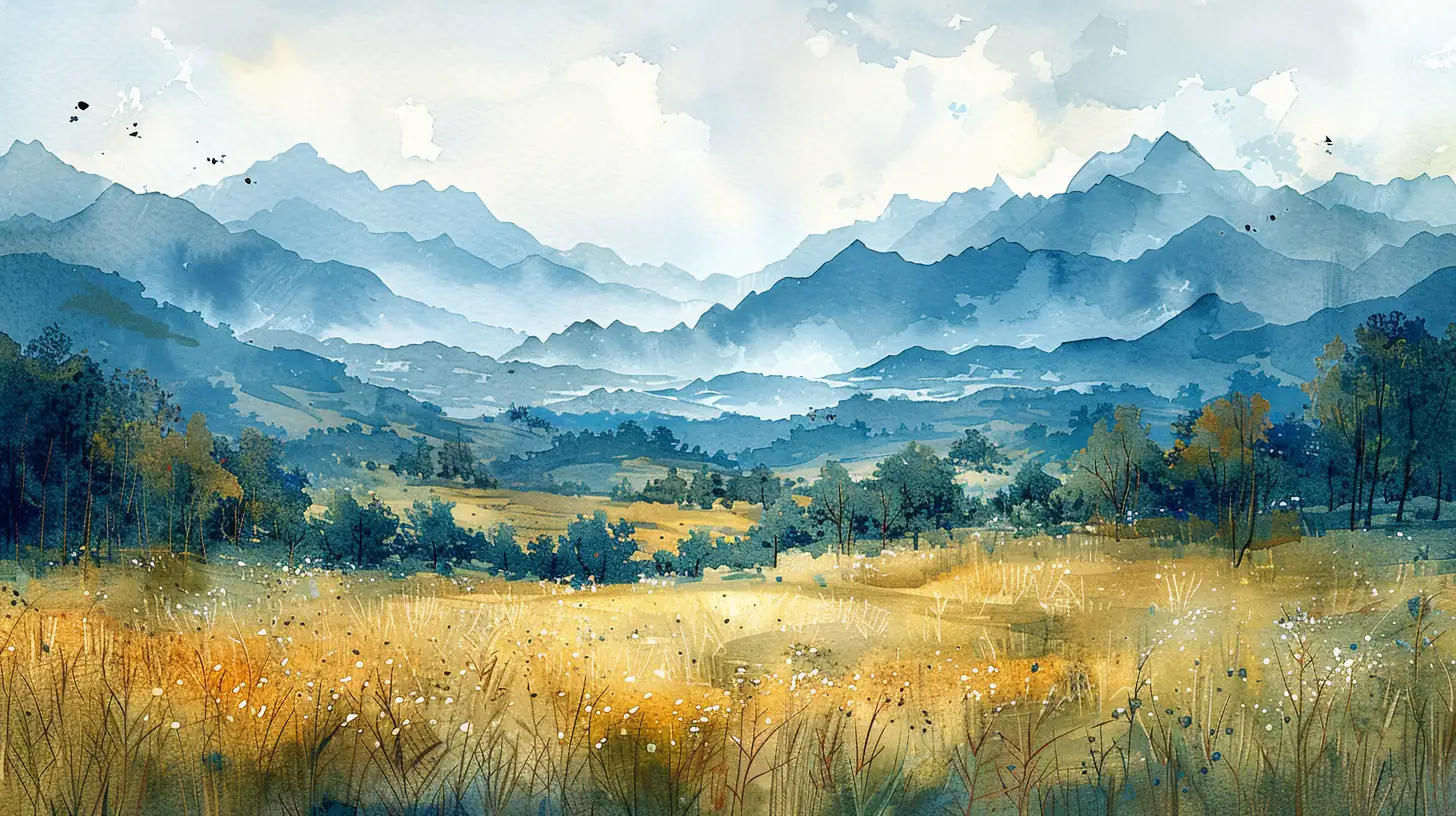
Watercolor art in Midjourney captures the fluidity, translucency, and organic beauty of traditional watercolor painting. This guide explores the techniques, parameters, and styles that help you create stunning watercolor artworks with precise control over water effects, color blending, and paper texture.
Core Watercolor Art Categories
Traditional Watercolor
Contemporary Abstract
Botanical Illustration
Mixed Media Watercolor
Key Parameters for Watercolor Art
Fine-tune your watercolor creations with these essential parameters.
Watercolor-Specific Parameters
Note:
The most compelling watercolor art balances controlled technique with spontaneous expression. Consider how water and pigment interact to create unique effects.
Detailed Style Examples
Note:
This section showcases key watercolor styles with practical examples. Each style demonstrates specific techniques and parameter settings you can adapt for your own creations.
Traditional Landscape Watercolor
Soft, naturalistic landscapes with atmospheric depth and controlled water effects.
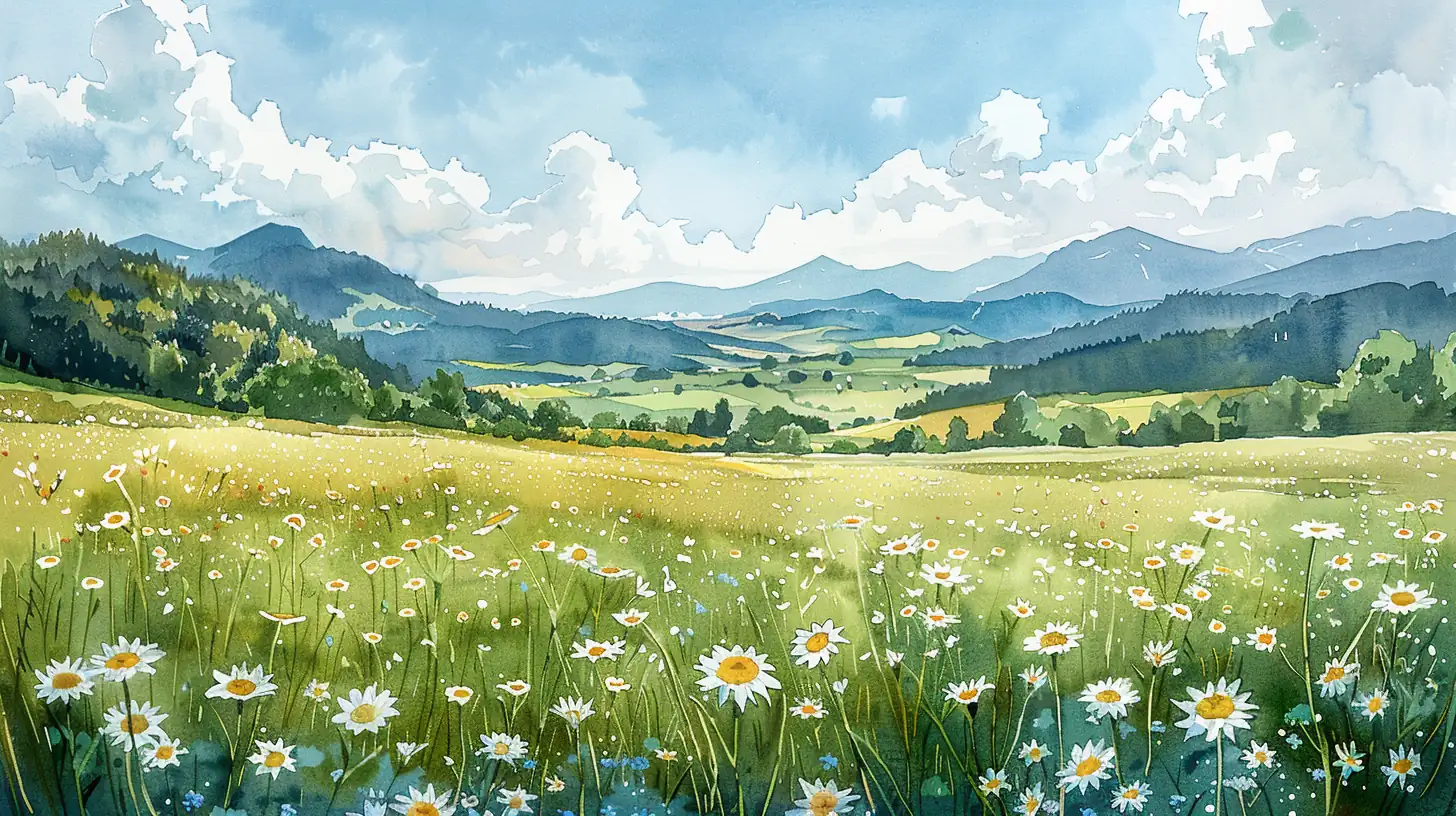
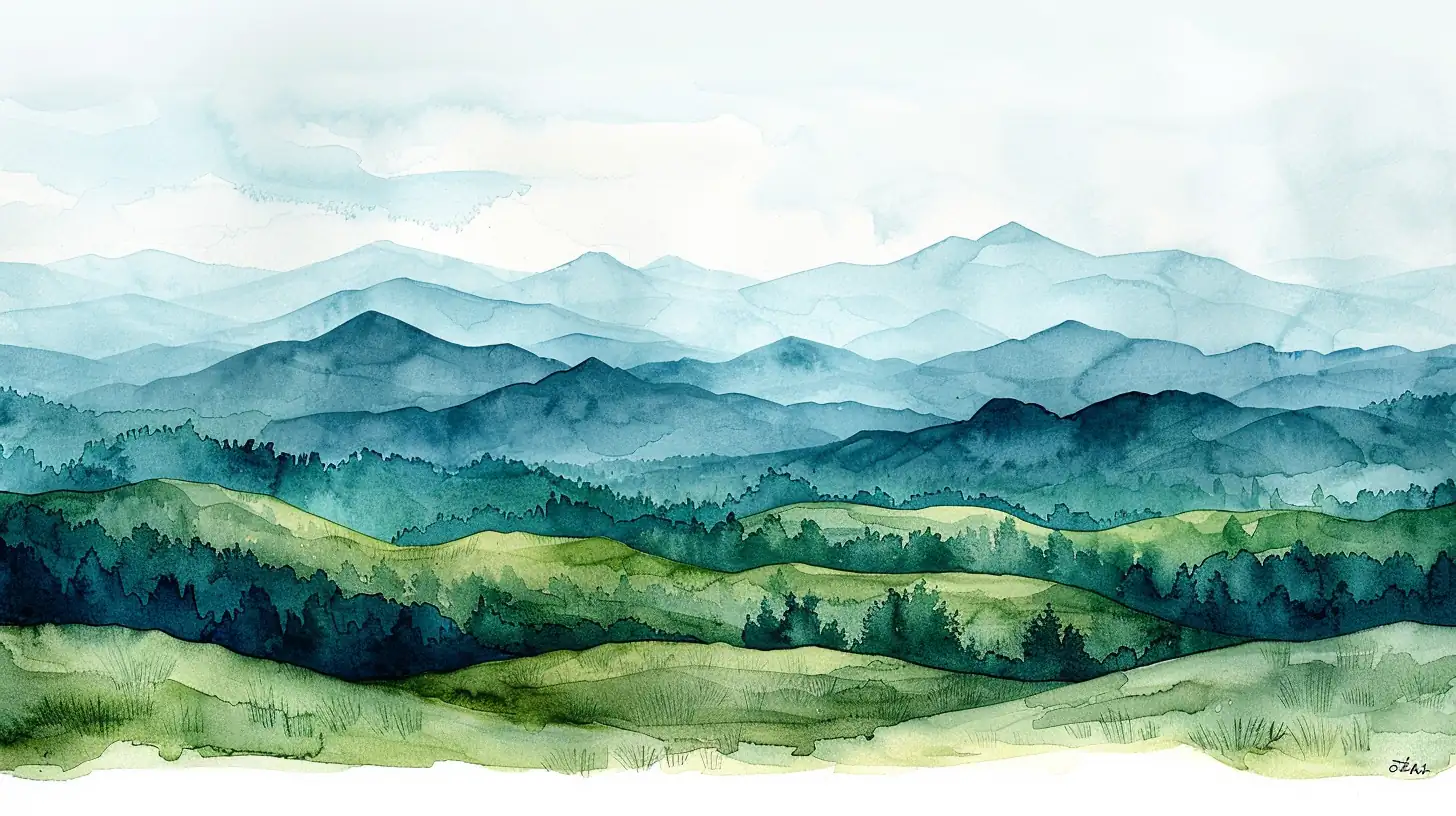
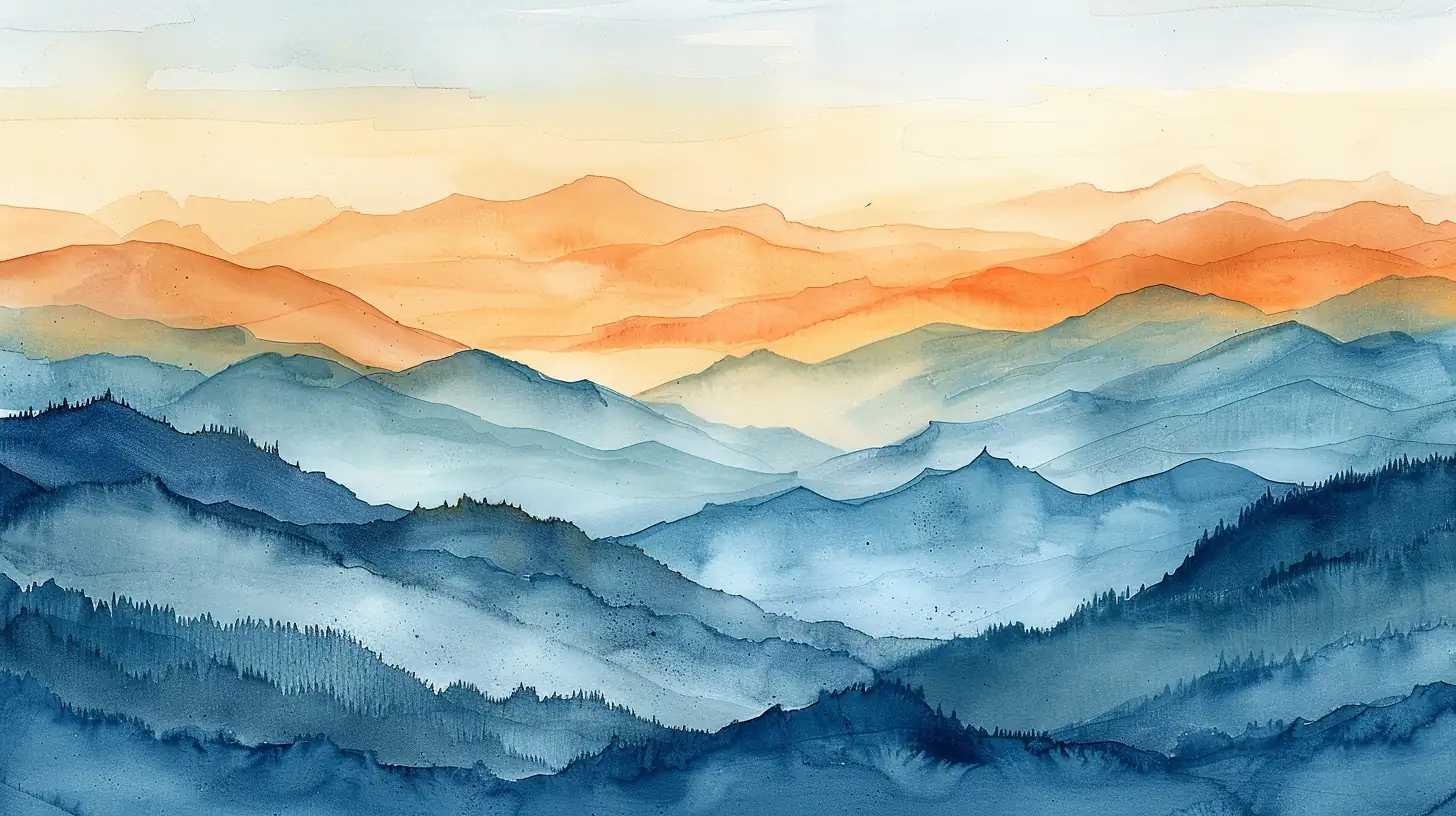
Traditional watercolor landscape: rolling hills with distant mountains, soft color washes in earth tones and subtle blues, wet-on-wet effects in sky creating soft atmospheric perspective, cold-pressed paper texture, preserved white highlights for light and water, natural lighting with warm glow, loose brush strokes with controlled edges --ar 16:9 --stylize 650 --q 2
Key Techniques:
- Use wet-on-wet technique for sky gradients and soft edges
- Preserve white paper for highlights and light sources
- Layer washes from light to dark gradually
- Use earth tones (browns, ochres, siennas) with subtle cool accents
- Apply
--stylize 650for balanced artistic and realistic watercolor look
Contemporary Abstract Watercolor
Bold, expressive watercolor with dynamic color splashes and experimental techniques.
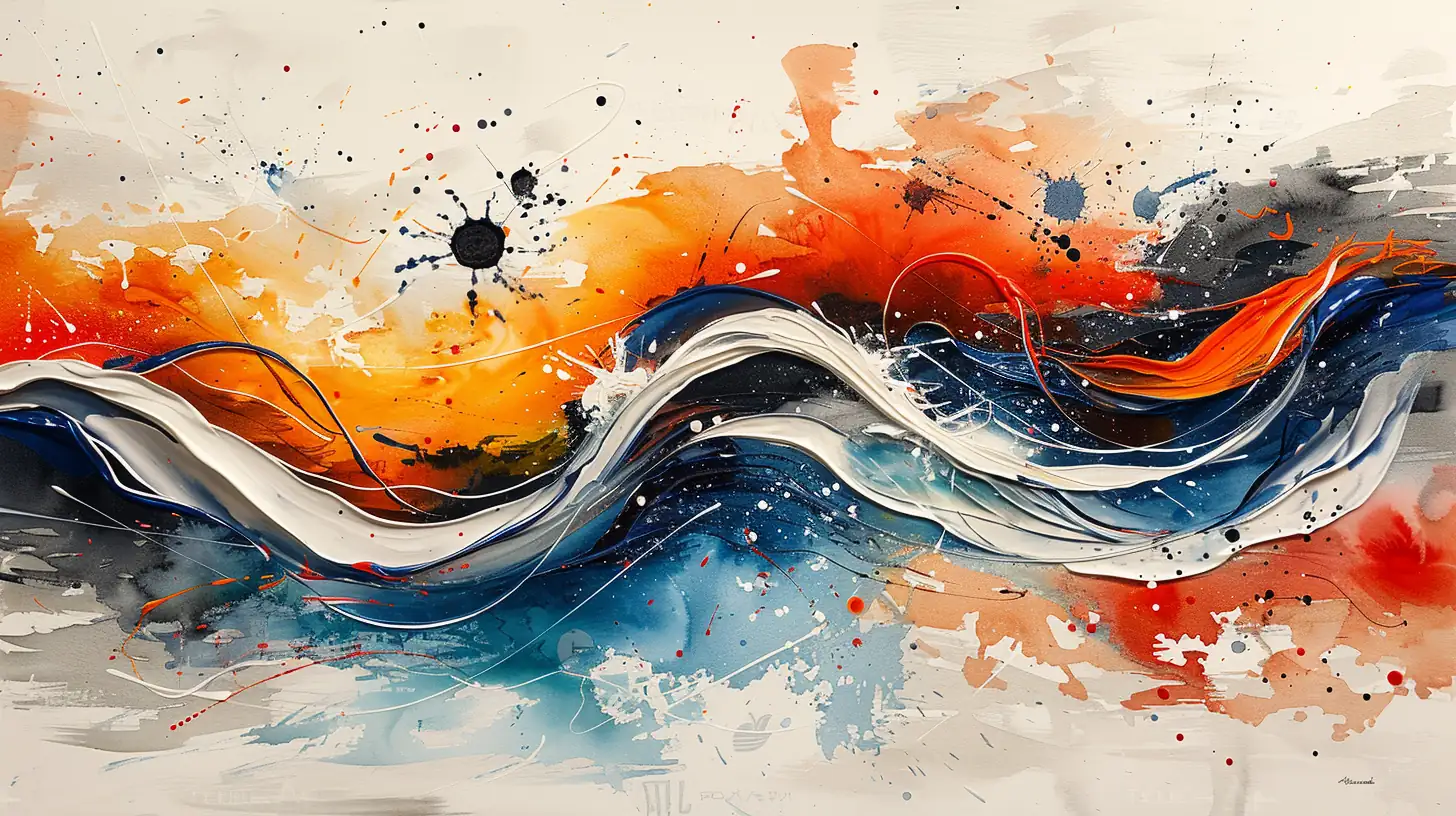
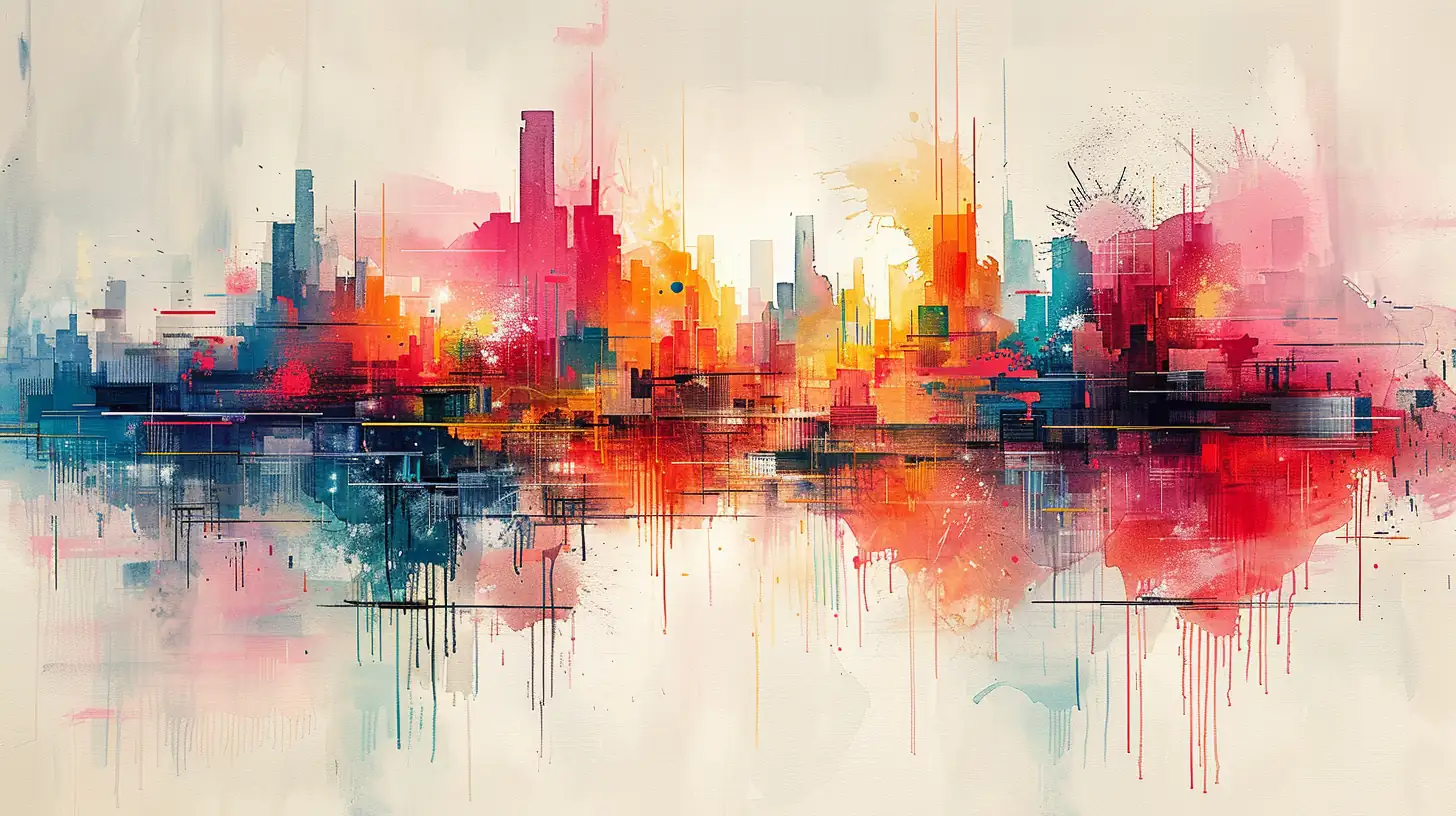
Contemporary abstract watercolor: vibrant color splashes with bold pigments, dynamic water flows and controlled bleeding, textural elements with salt granulation effects, rough watercolor paper texture, dramatic composition with strong focal point, mixed layering technique with overlapping transparent glazes, spontaneous energy with intentional design --ar 16:9 --stylize 750 --chaos 30 --q 2
Key Techniques:
- Embrace spontaneity while maintaining compositional intent
- Use
--chaos 30-50for natural watercolor variation - Layer transparent glazes for depth and color mixing
- Incorporate salt effects and texture techniques
- Use vibrant, contrasting color combinations for impact
- Apply
--stylize 750for more expressive, artistic results
Botanical Watercolor Illustration
Detailed, precise watercolor focusing on plants, flowers, and botanical accuracy.
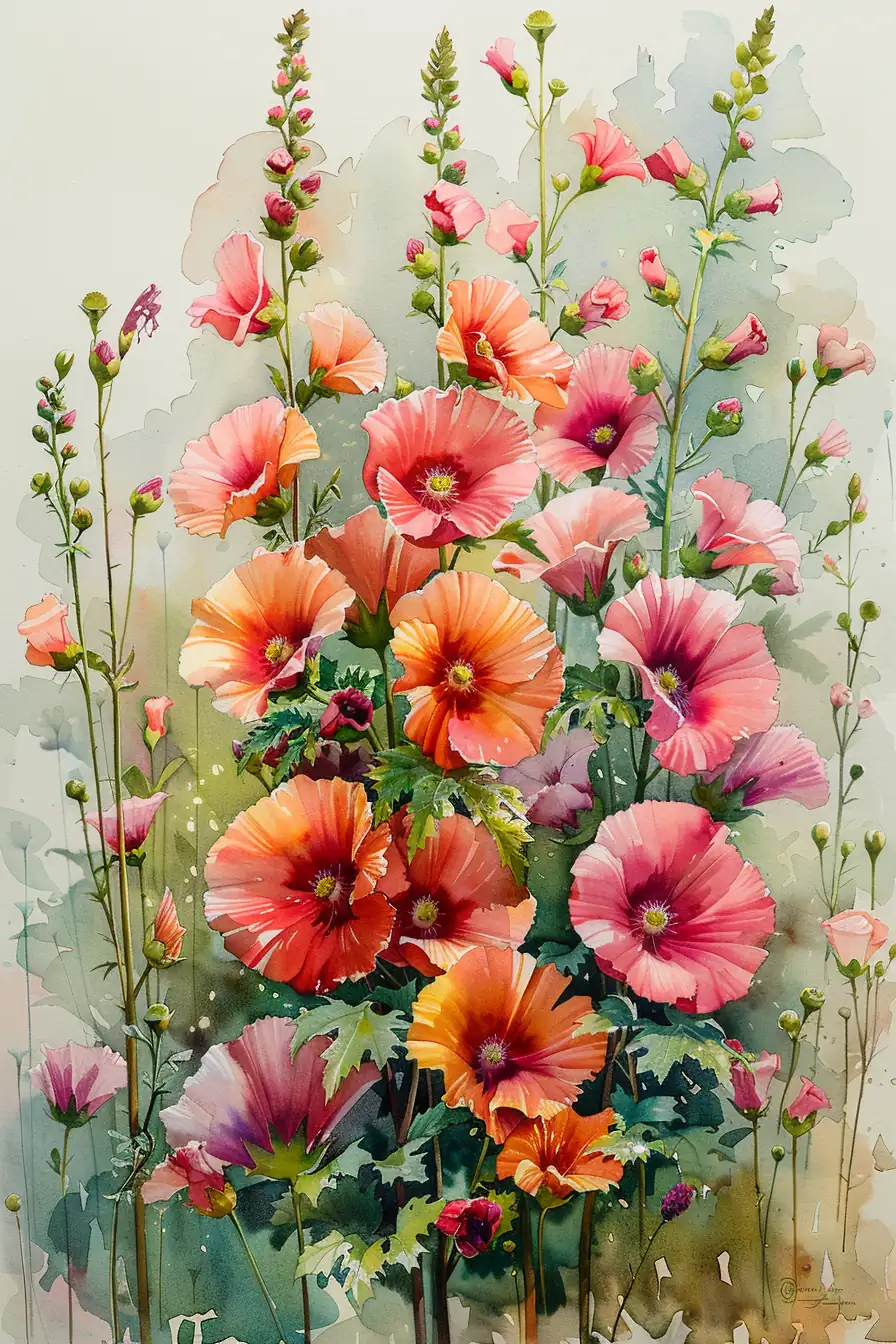
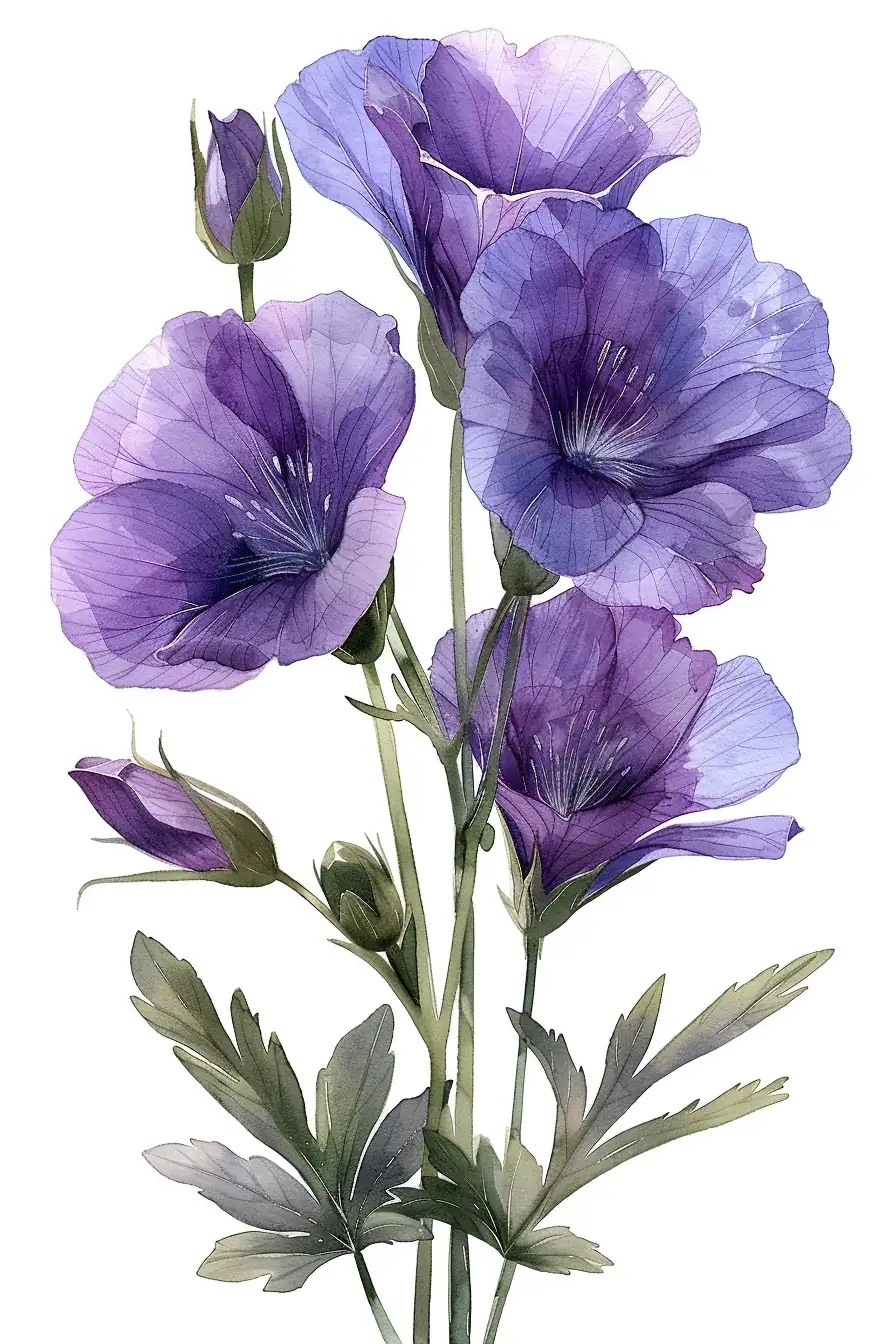
Detailed botanical watercolor illustration: garden flowers with botanical precision, fine detailed brushwork with careful definition, fresh natural color palette with vibrant greens and soft florals, controlled wet-on-dry technique with minimal bleeding, clean edges and defined shapes, hot-pressed smooth paper texture, preserved white highlights for flower petals and stems, soft natural lighting --ar 2:3 --stylize 700 --q 2
Key Techniques:
- Use hot-pressed paper for smooth surface and fine detail capability
- Apply wet-on-dry technique for controlled, defined edges
- Build color gradually with multiple thin glazes
- Preserve white paper for highlights on petals and leaves
- Use
--q 2for detailed botanical features - Reference botanical art traditions for accuracy and elegance
Watercolor Portrait
Expressive portraits capturing likeness with watercolor's fluid, luminous qualities.
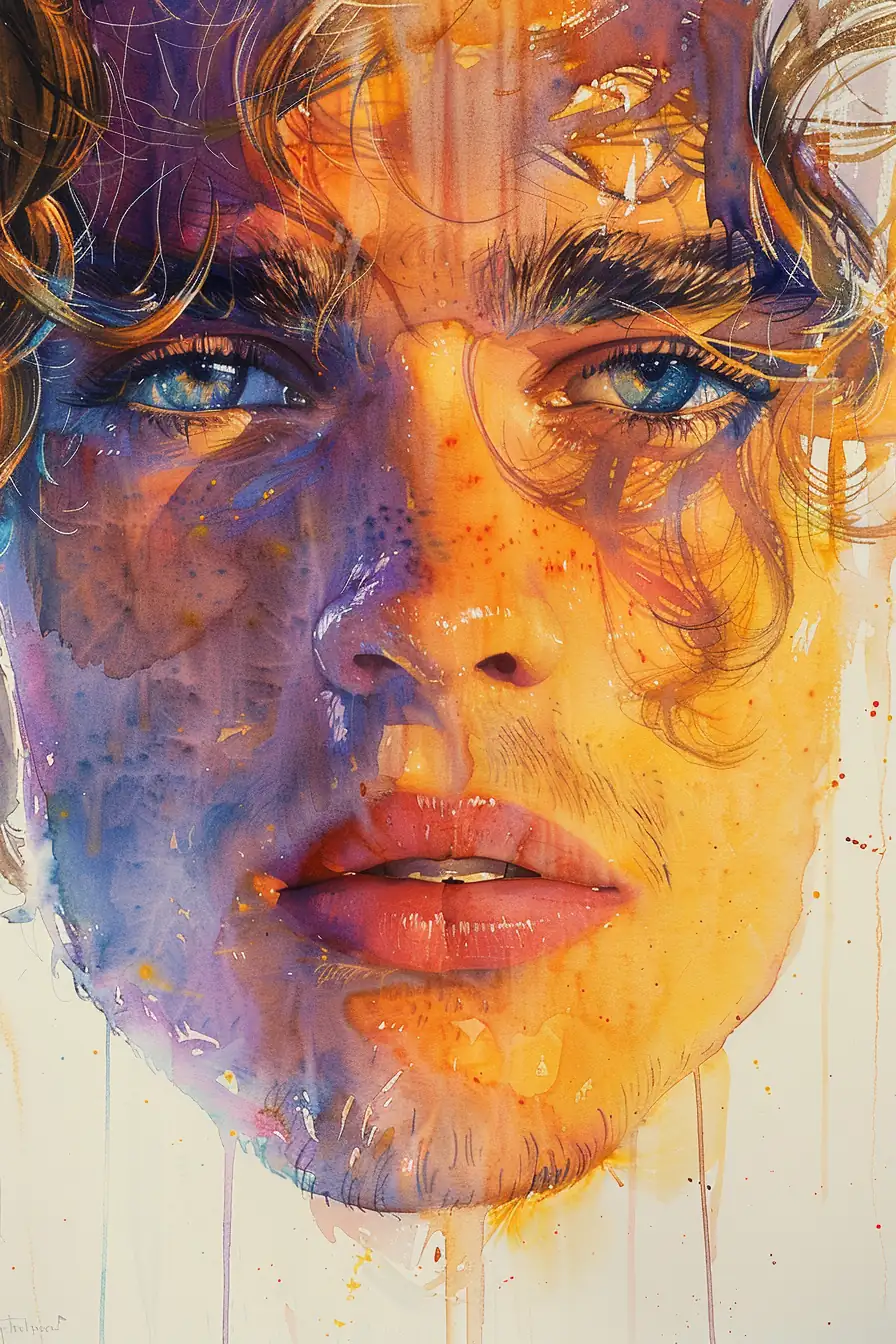
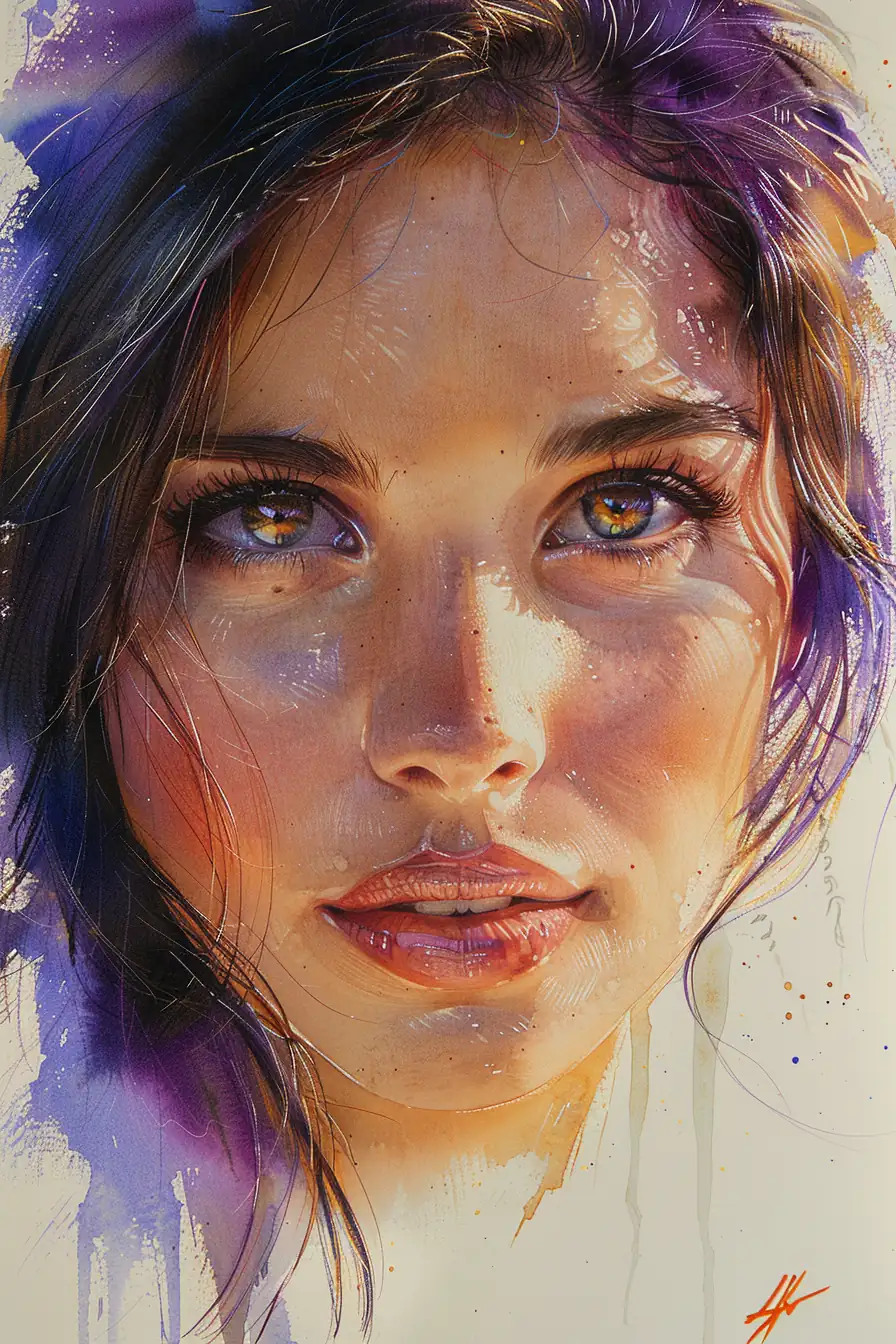
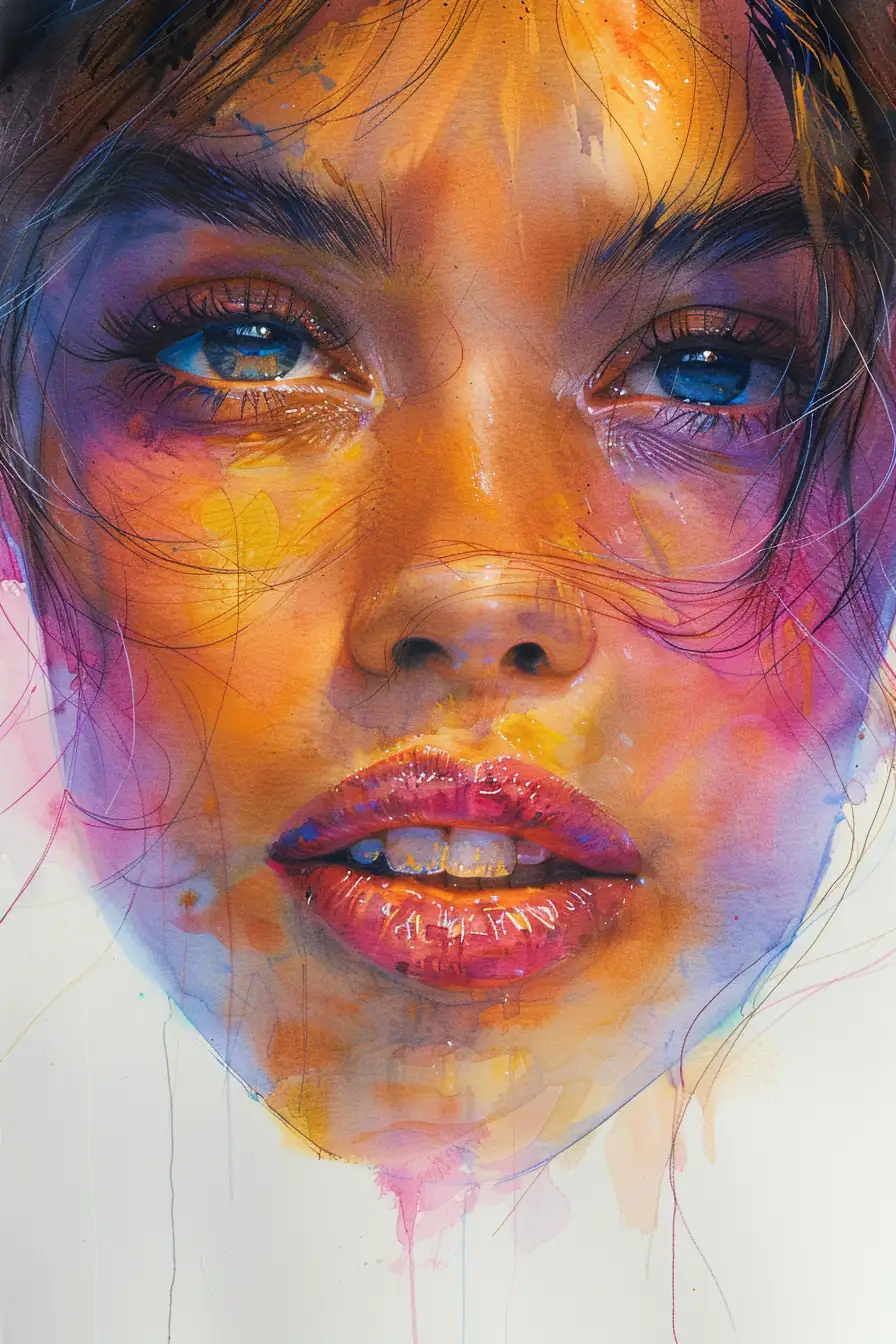
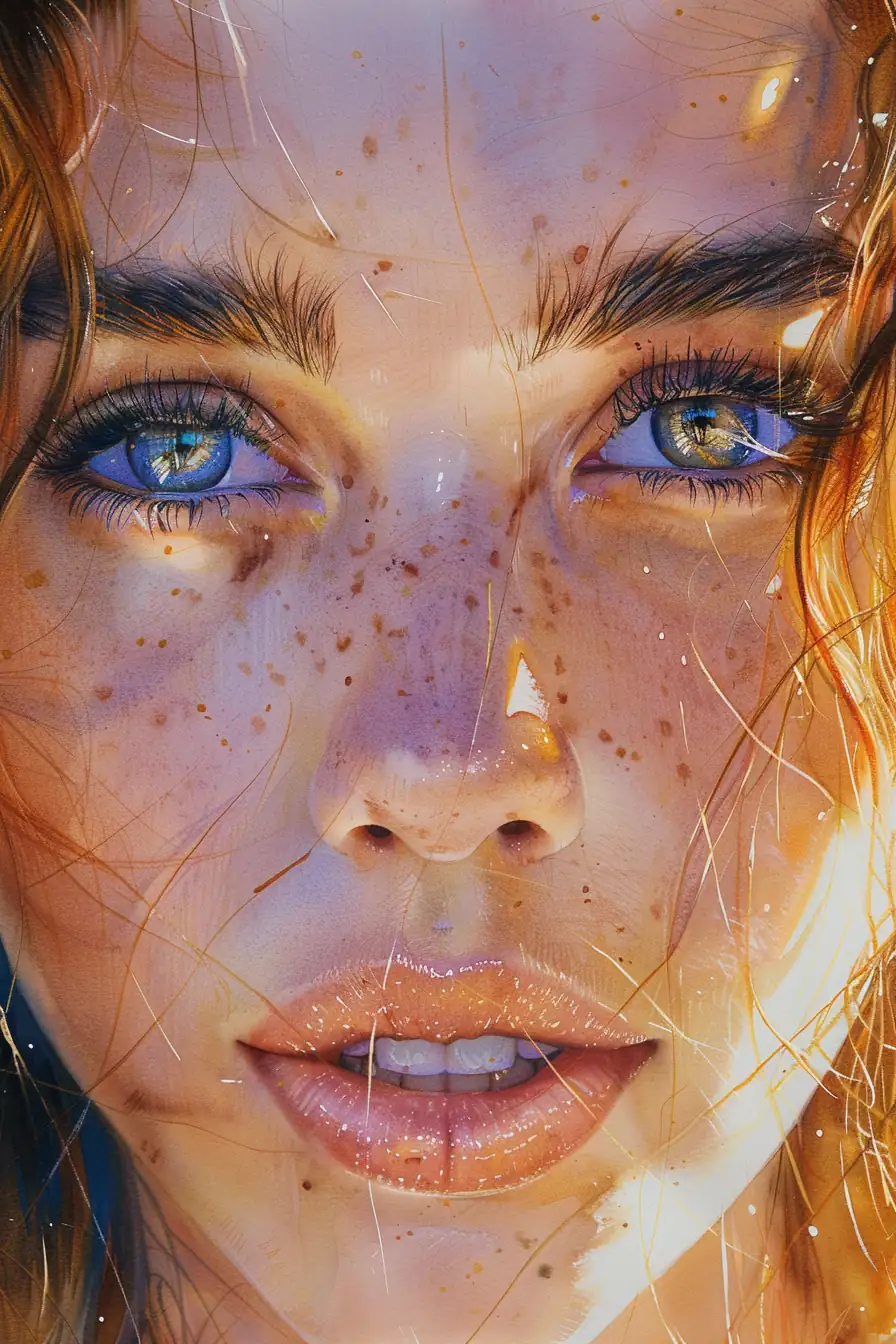
Expressive watercolor portrait: human face with soft flowing watercolor technique, luminous skin tones with warm and cool temperature shifts, loose brushwork in hair and background with controlled detail in facial features, wet-on-wet effects creating soft atmospheric edges, rich warm color palette with subtle cool shadows, white paper preservation for highlights and light reflection, artistic and painterly quality --ar 2:3 --stylize 700 --q 2
Key Techniques:
- Balance loose brushwork with controlled facial features
- Use warm and cool color shifts for dimension
- Apply glazing technique for transparent skin tones
- Preserve light areas for natural glow and dimension
- Use soft edges in background and hair
- Apply
--stylize 700for artistic, painterly quality
Mixed Media Watercolor
Watercolor combined with ink, gouache, or pencil for enhanced effects.
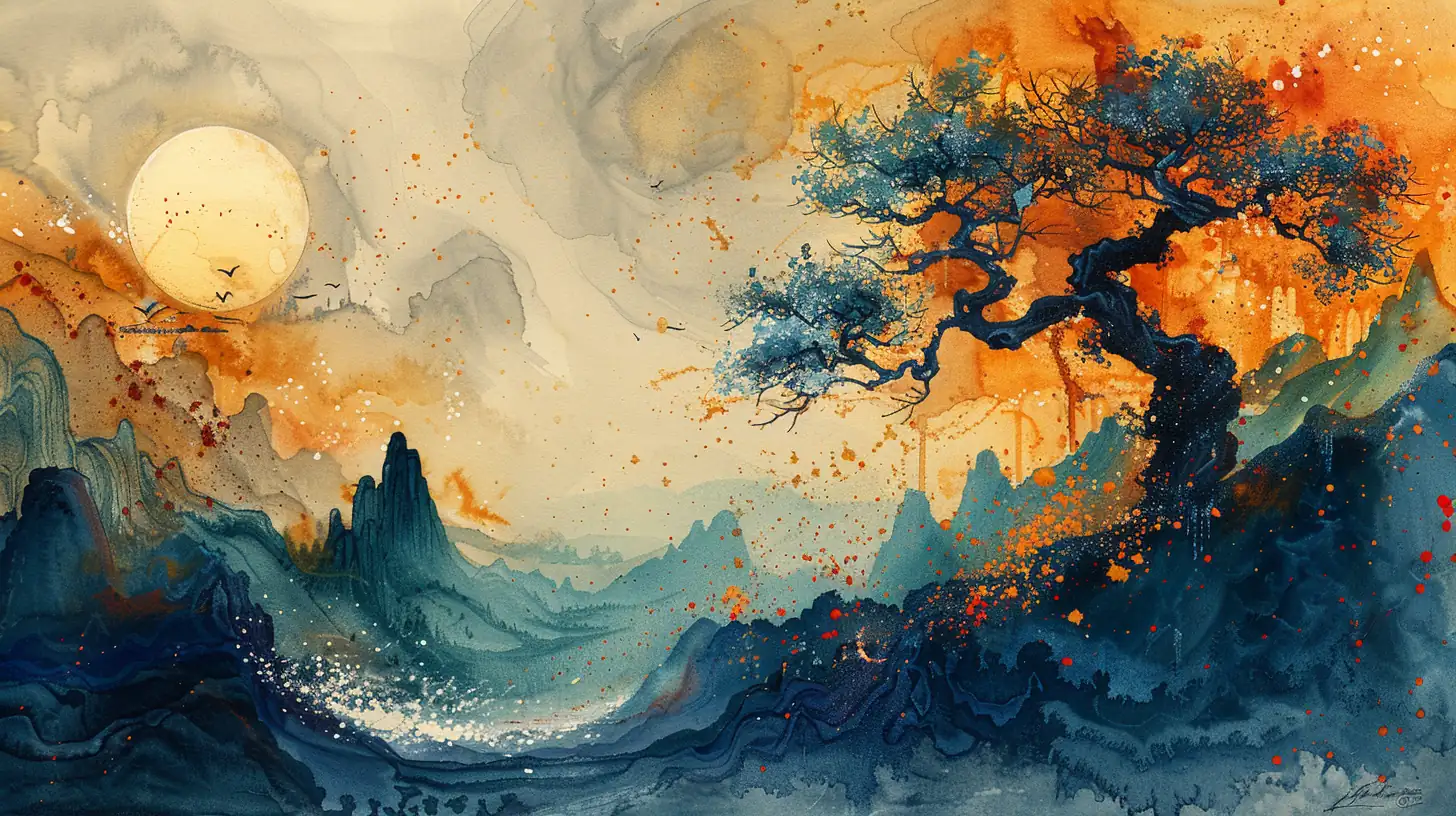
Mixed media watercolor artwork: flowing watercolor washes combined with bold ink line work, gouache highlights and opaque accents creating dimension, detailed pen or ink sketches integrated with transparent watercolor glazes, layered technique blending fluid and controlled elements, dynamic composition with both spontaneous and precise areas, rich textured surface, artistic and contemporary aesthetic --ar 16:9 --stylize 700 --q 2
Key Techniques:
- Combine watercolor washes with ink line details
- Layer opaque gouache over transparent watercolor
- Use pen or ink for defining forms and adding graphic elements
- Balance spontaneous painting with precise drawing
- Create visual interest through mixed textures and opacity
- Apply
--stylize 700for cohesive artistic effect
Advanced Techniques
Layering Transparency for Depth
Build dimensional watercolor by strategically layering transparent glazes.
Abstract watercolor::2 transparent layering::1.5 glazing technique::1
- Initial light wash with yellow-green
- Mid-tone purple and blue glazes
- Final dark accents with controlled edges
--ar 16:9 --stylize 700 --q 2
This emphasizes the abstract quality while layering multiple transparent effects.
Water Control for Organic Effects
Use water saturation descriptions to control how pigment flows.
Watercolor seascape, wet-on-wet technique:
- Generous water saturation creating natural bleeding
- Soft edge transitions between sky and ocean
- Color dropping technique with ultramarine and cerulean
- Atmospheric perspective with muted distant colors
- Spontaneous water flow guiding composition
--ar 16:9 --stylize 650 --chaos 25 --q 2
Comprehensive Prompt Examples
Seascape with Atmospheric Perspective
Create luminous water scenes with depth and natural light.
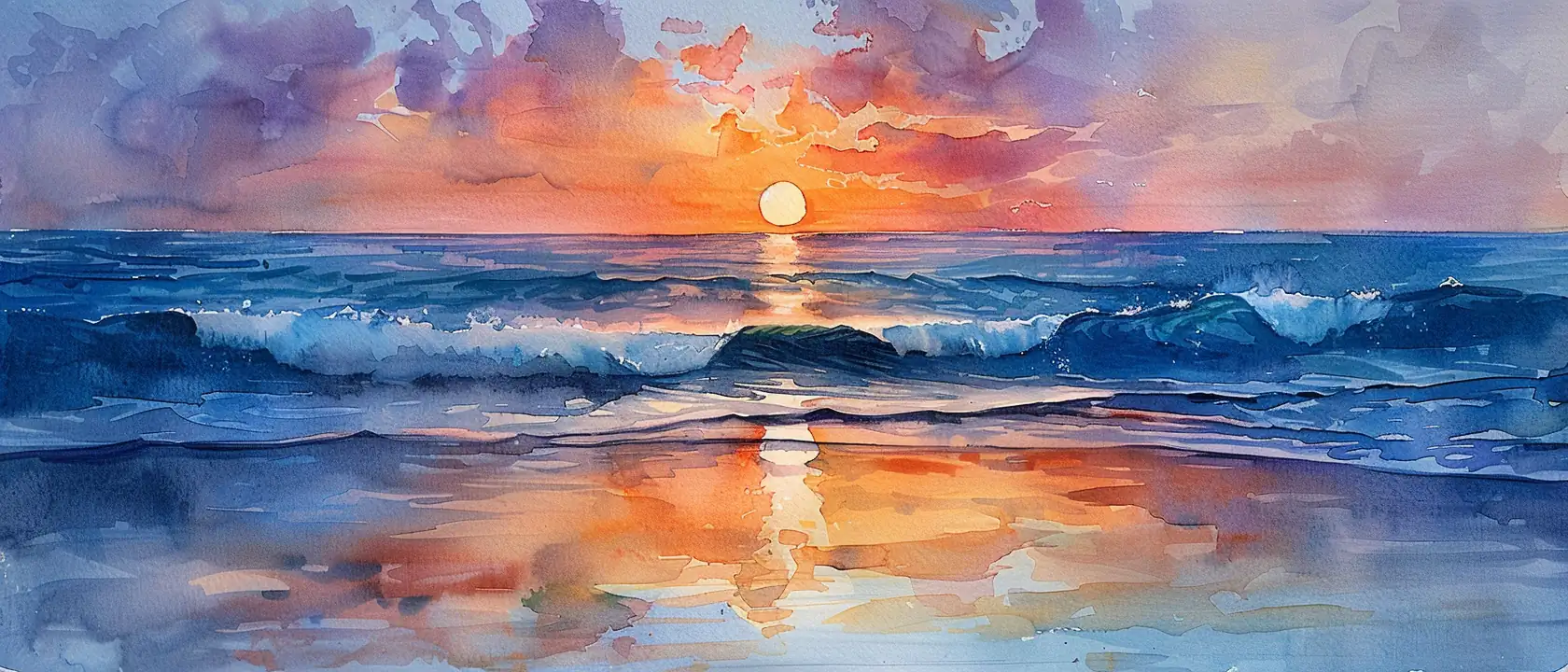
Watercolor seascape at sunset: calm ocean waters with golden and orange reflections, soft atmospheric perspective with muted distant shores, wet-on-wet sky creating glowing warm tones, transparent glazes building luminosity, preserved white paper for light and sparkle, loose brushwork with directional water flow, cold-pressed paper texture, peaceful serene atmosphere --ar 21:9 --stylize 650 --q 2
Watercolor Animal Portrait
Capturing wildlife with delicate detail and fluid watercolor technique.
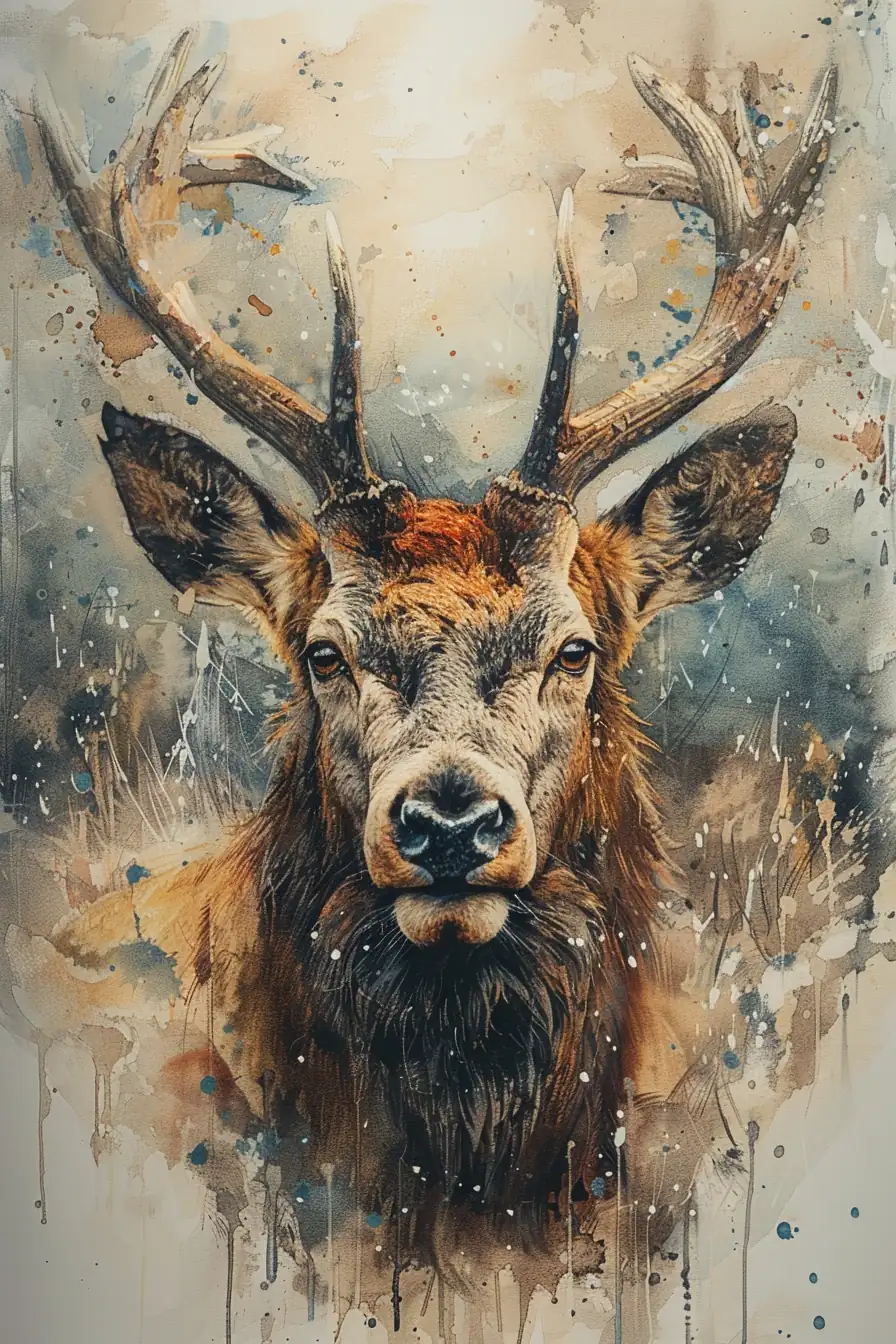
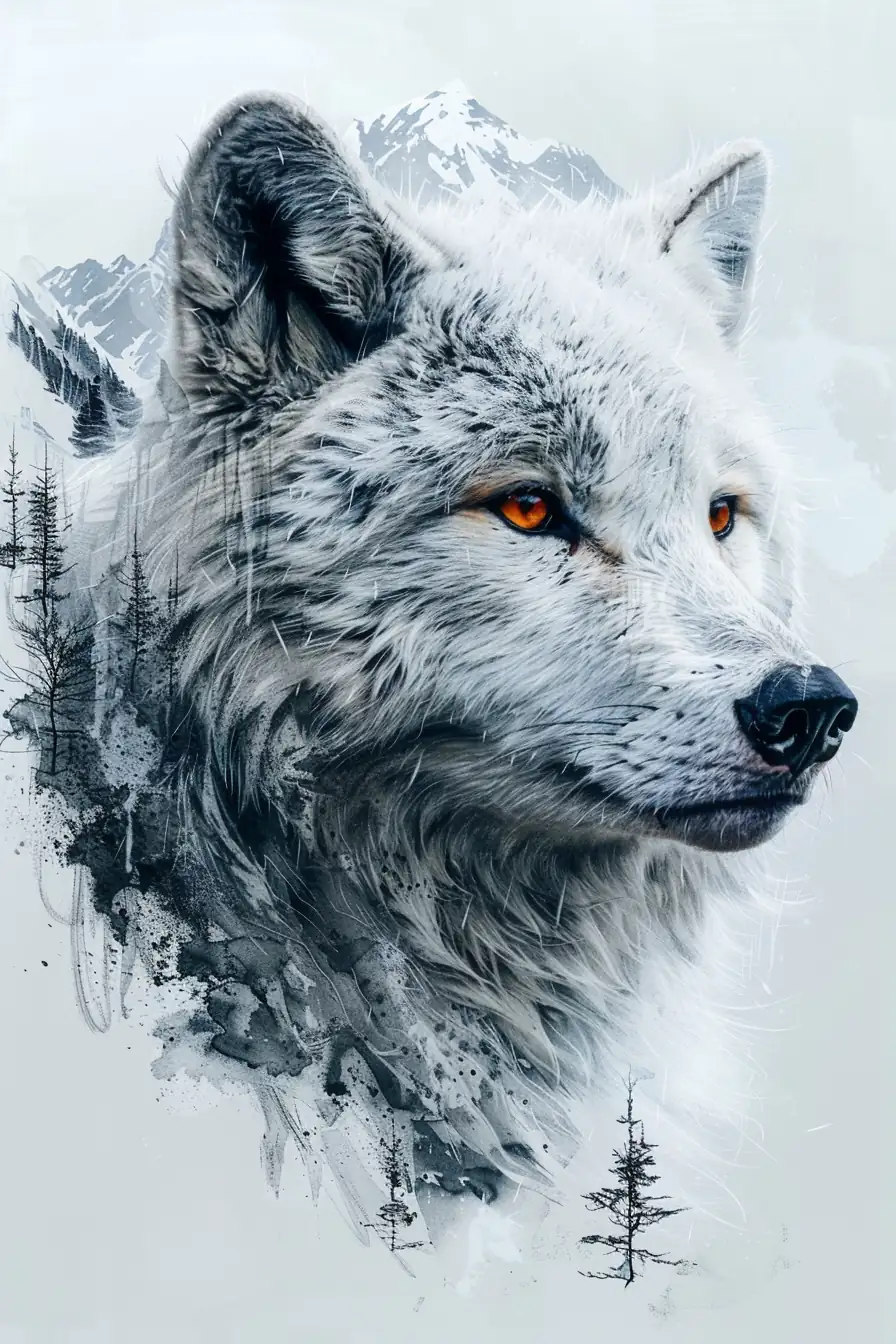
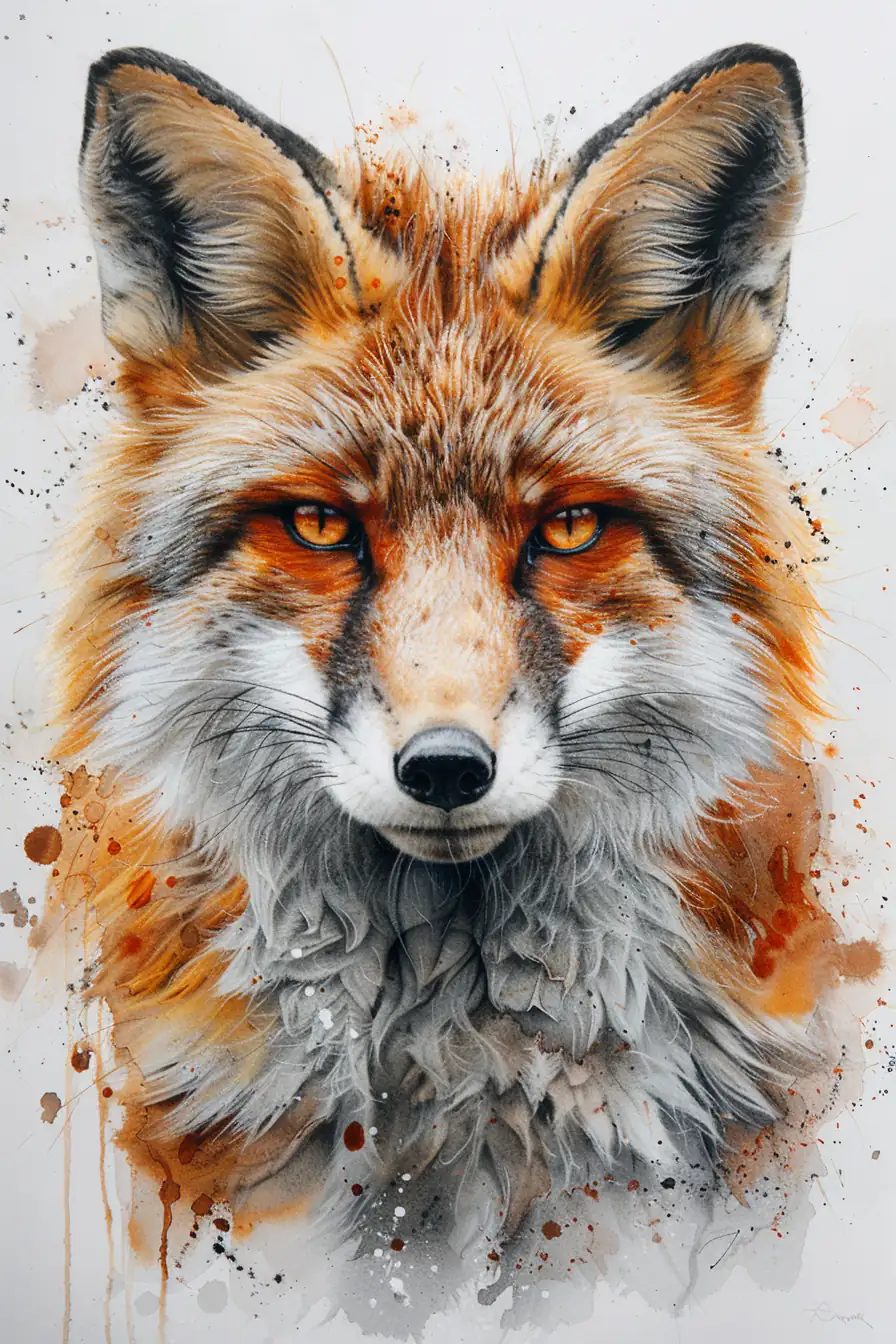
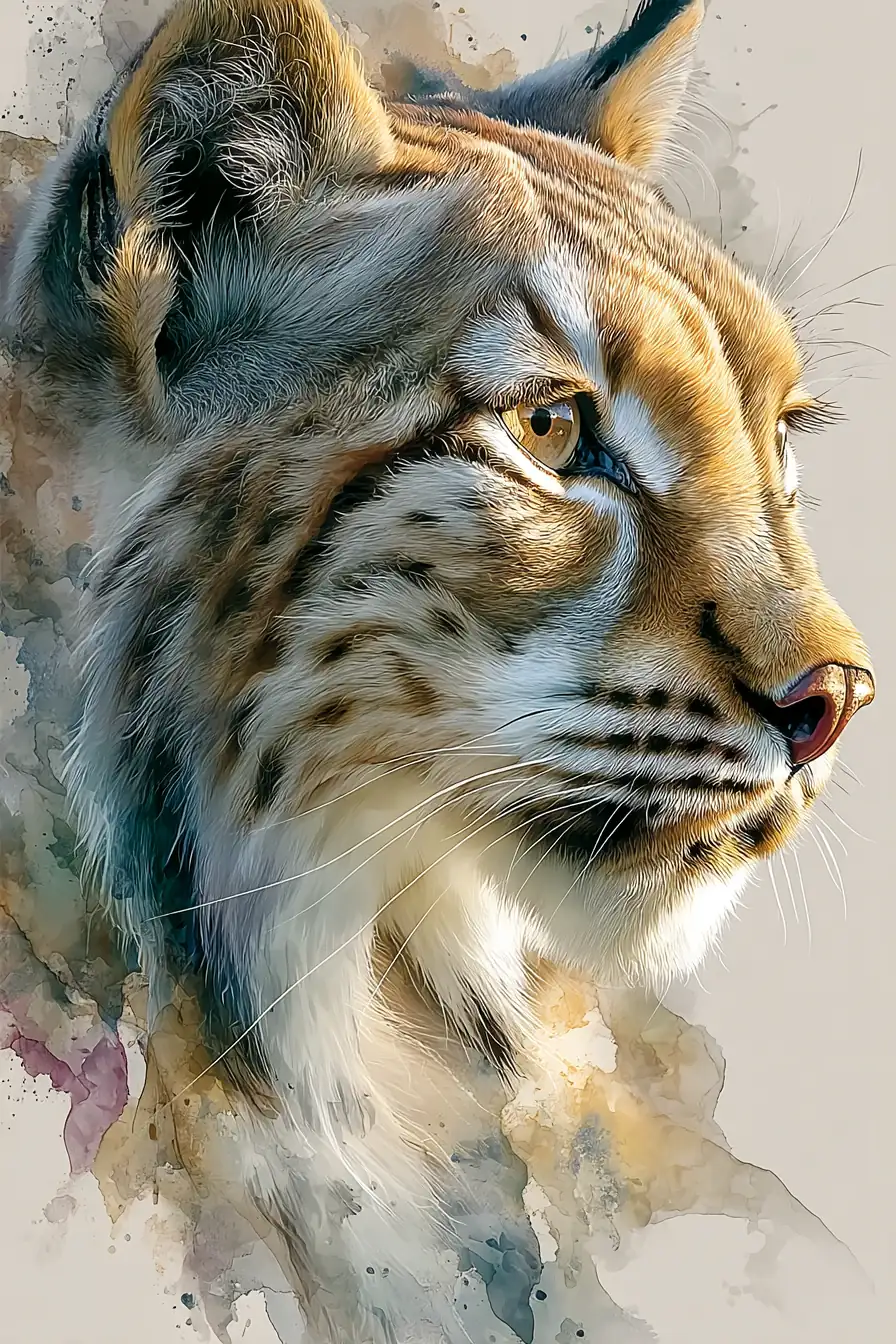
Watercolor animal portrait: detailed wildlife subject with accurate anatomy, soft flowing watercolor technique creating luminous quality, warm and cool temperature shifts for dimension, glazed transparent layers building form, loose expressive background with minimal detail, preserved white highlights for fur texture and eyes, natural earth tone and accent color palette, white background for clarity --ar 2:3 --stylize 700 --q 2
Watercolor Architecture
Detailed building paintings capturing light, shadow, and atmospheric perspective.
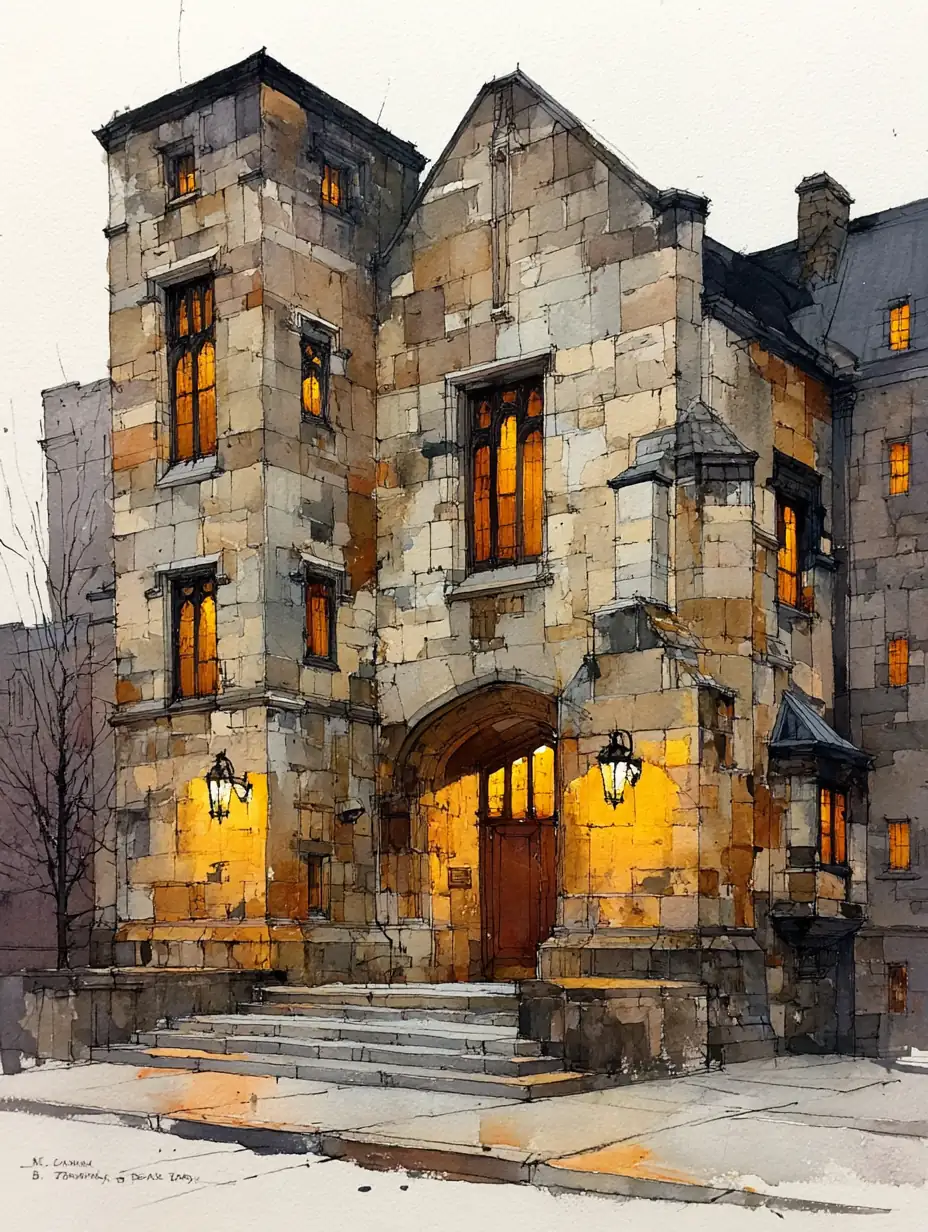
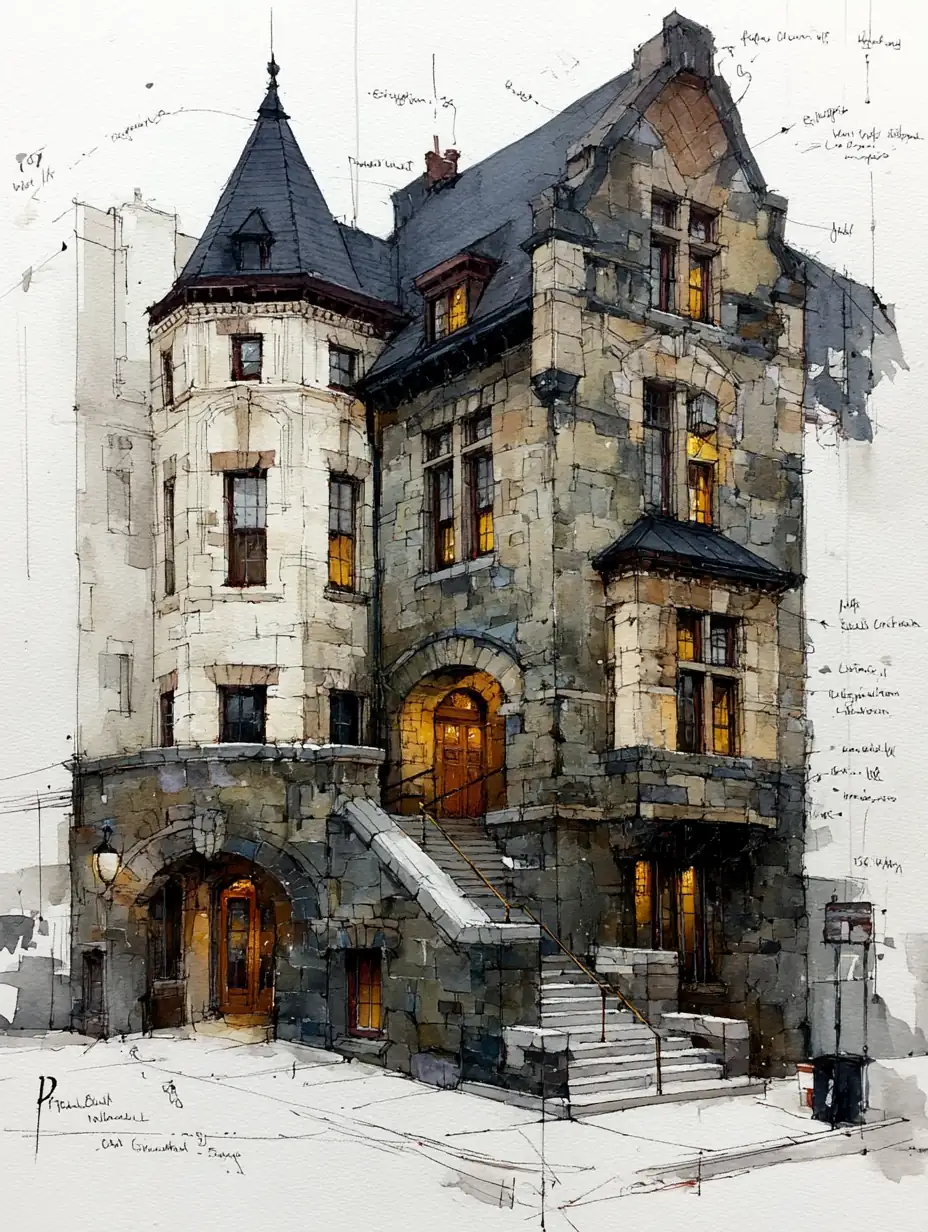
Watercolor architectural painting: historic building with detailed stonework and windows, warm natural lighting creating shadow patterns, atmospheric perspective with misty distant elements, careful architectural proportion and perspective, mixed technique with controlled detail and loose background elements, earth tone palette with warm accent colors, preserved white paper for light surfaces, soft atmospheric shadows --ar 3:4 --stylize 700 --q 2
Tips for Better Watercolor Prompts
Emphasize Water and Paper Characteristics
Reference specific paper types and water behavior to control effects:
Paper Types & Effects
Layer Your Descriptions
Build prompts from general to specific for consistency:
1. MEDIUM/STYLE     → "Watercolor painting", "watercolor illustration"
2. SUBJECT          → Clearly describe the main focus
3. TECHNICAL DETAILS → Paper type, water saturation, technique (wet-on-wet, dry brush, glazing)
4. COLOR & MOOD     → Palette, lighting, atmosphere, emotional tone
5. WATER EFFECTS    → Bleeding, flowing, transparency, texture
6. PARAMETERS       → --ar [ratio] --stylize [value] --q [quality]
Pro Tip:
The most effective watercolor prompts combine specific technique descriptions (wet-on-wet, glazing, dry brush) with water control keywords and paper type references. This gives Midjourney clear guidance on how the watercolor should behave.
Use Negative Prompts Strategically
Exclude unwanted elements with --no to increase consistency:
watercolor landscape --no digital artifacts, harsh edges, muddy colors, oil painting, acrylic
Common Negative Prompt Patterns:
- For soft, flowing work:
--no hard edges, defined lines, sharp details, precise - For detailed work:
--no blur, loose strokes, watercolor bleeding, soft edges - For traditional style:
--no digital, glitch, modern, abstract, experimental - For general quality:
--no muddy colors, overworked, dull palette, low contrast
Parameter Cheat Sheet
Stylize Values for Watercolor
Prompt Templates
Use these structures to build effective prompts for different watercolor styles.
Universal Watercolor Template
[Subject] watercolor painting:
- Technique: [Watercolor style/method]
- Colors: [Color palette]
- Water Effects: [Bleeding, wet-on-wet, transparency level]
- Paper: [Paper type]
- Mood: [Atmospheric feeling]
--ar [Ratio] --stylize [Value] --q 2
Traditional Watercolor Template
[Subject] traditional watercolor:
- Technique: wet-on-wet with soft washes
- Water Control: natural flow and bleeding
- Paper: cold-pressed watercolor paper
- Colors: earth tones, natural palette
- Lighting: natural, soft luminosity
--ar 16:9 --stylize 650 --q 2
Contemporary Abstract Template
Abstract watercolor composition:
- Bold color splashes with [color scheme]
- Dynamic water flows and spontaneous technique
- Salt effects and texture elements
- Dramatic composition with strong focal point
- Mixed media elements if desired
--ar 16:9 --stylize 750 --chaos 30 --q 2
Conclusion
Mastering watercolor art in Midjourney is about understanding how technique descriptions, water and paper characteristics, and artistic parameters work together. The key is:
- Be specific about watercolor technique (wet-on-wet, glazing, dry brush, etc.)
- Reference paper type (cold-pressed, hot-pressed, rough) to control texture
- Describe water behavior (flowing, bleeding, transparent, controlled)
- Layer your descriptions from general style to detailed technical effects
- Experiment with parameters (
--stylize,--chaos,--q 2) to find your watercolor voice
Start with the templates in this guide, iterate based on results, and build a library of prompts that capture the fluid, luminous beauty of watercolor painting.
Next Steps:
- Explore Art Styles for other painting traditions
- Check SREF Codes for consistent style references
- Visit Midjourney Prompting Guide for fundamental techniques
Related Articles & Guides
Mastering Oil Painting in Midjourney: Techniques, Styles, and Prompts
Create stunning oil painting artwork with Midjourney using advanced prompts, texturing techniques, and artistic parameters. Explore classical realism, impasto, and contemporary styles.
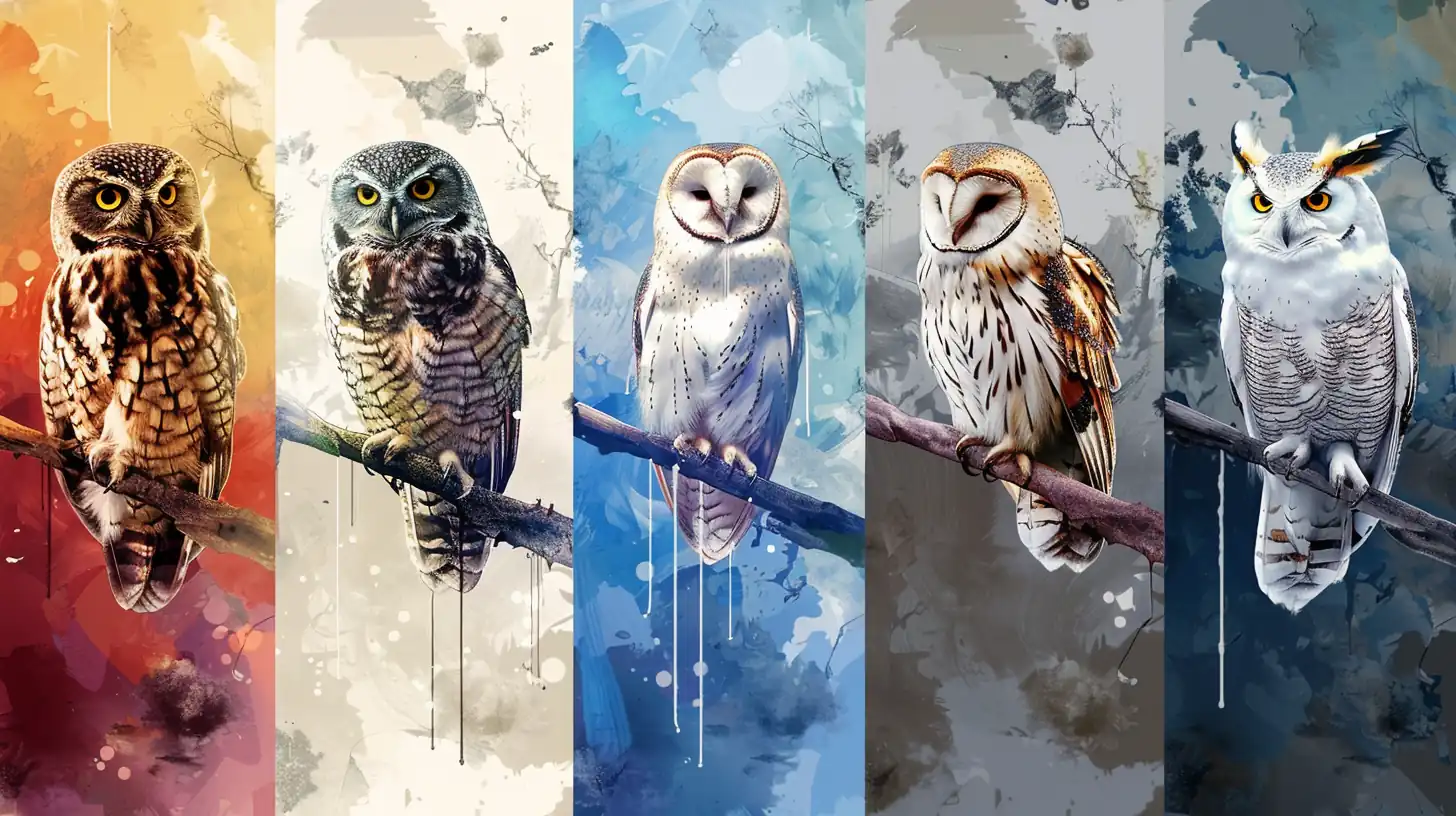 #Midjourney
Midjourney Art Styles: Master Diverse Artistic Aesthetics and Techniques
Unlock the full range of artistic styles in Midjourney. Learn to craft prompts for digital art, traditional media, contemporary styles, and historical aesthetics. Master style parameters, blending techniques, and best practices.
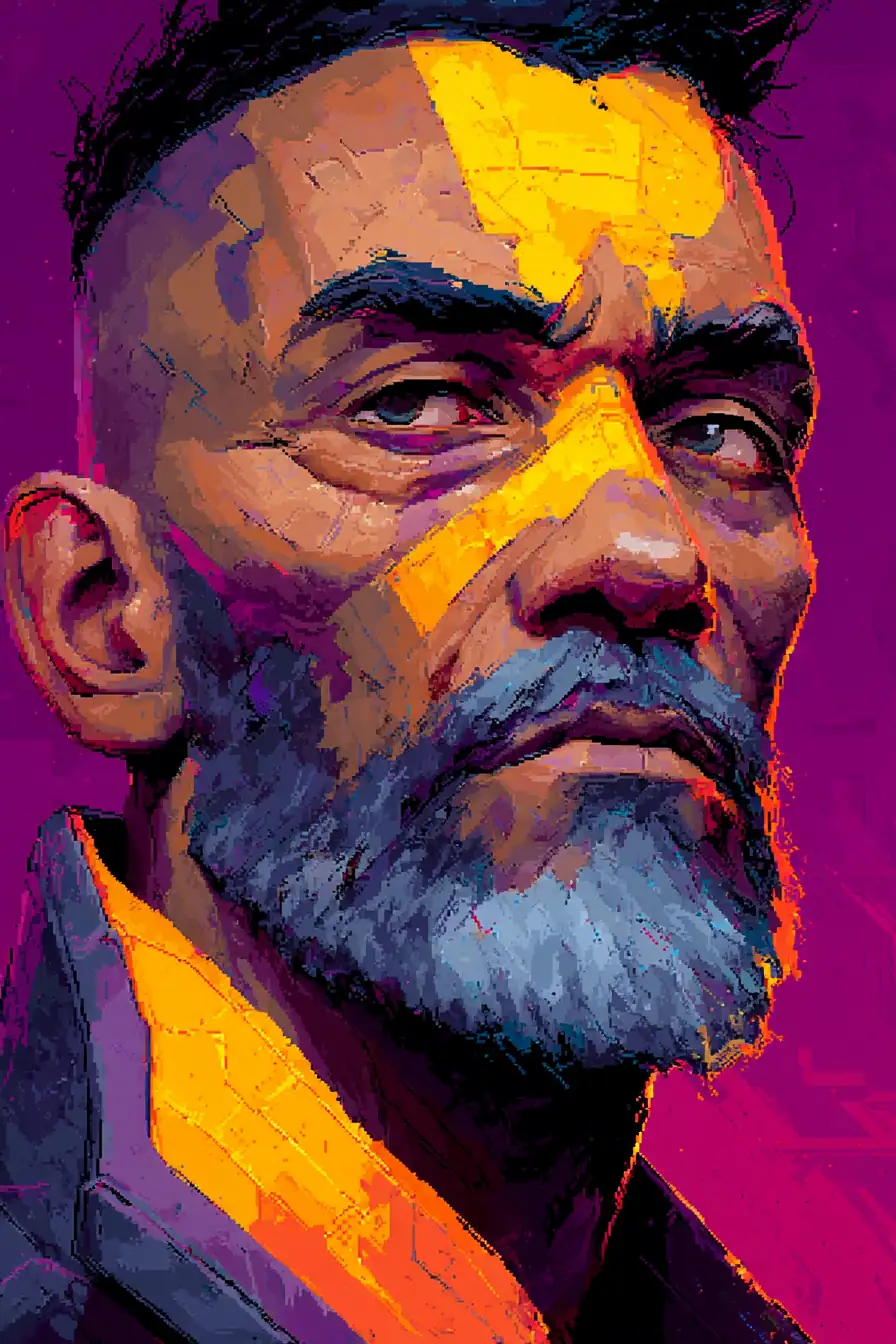 #Midjourney
Mastering Pixel Art in Midjourney: Techniques, Styles, and Prompts
Create stunning pixel art with Midjourney using advanced prompts, retro aesthetics, and precise parameters. Explore 8-bit, 16-bit, isometric, and modern pixel art styles.