Midjourney Object Prompts: Master Creation & Design
Learn to create stunning objects in Midjourney with this comprehensive guide. Explore techniques for vehicles, artifacts, technology, and weapons using effective prompts.
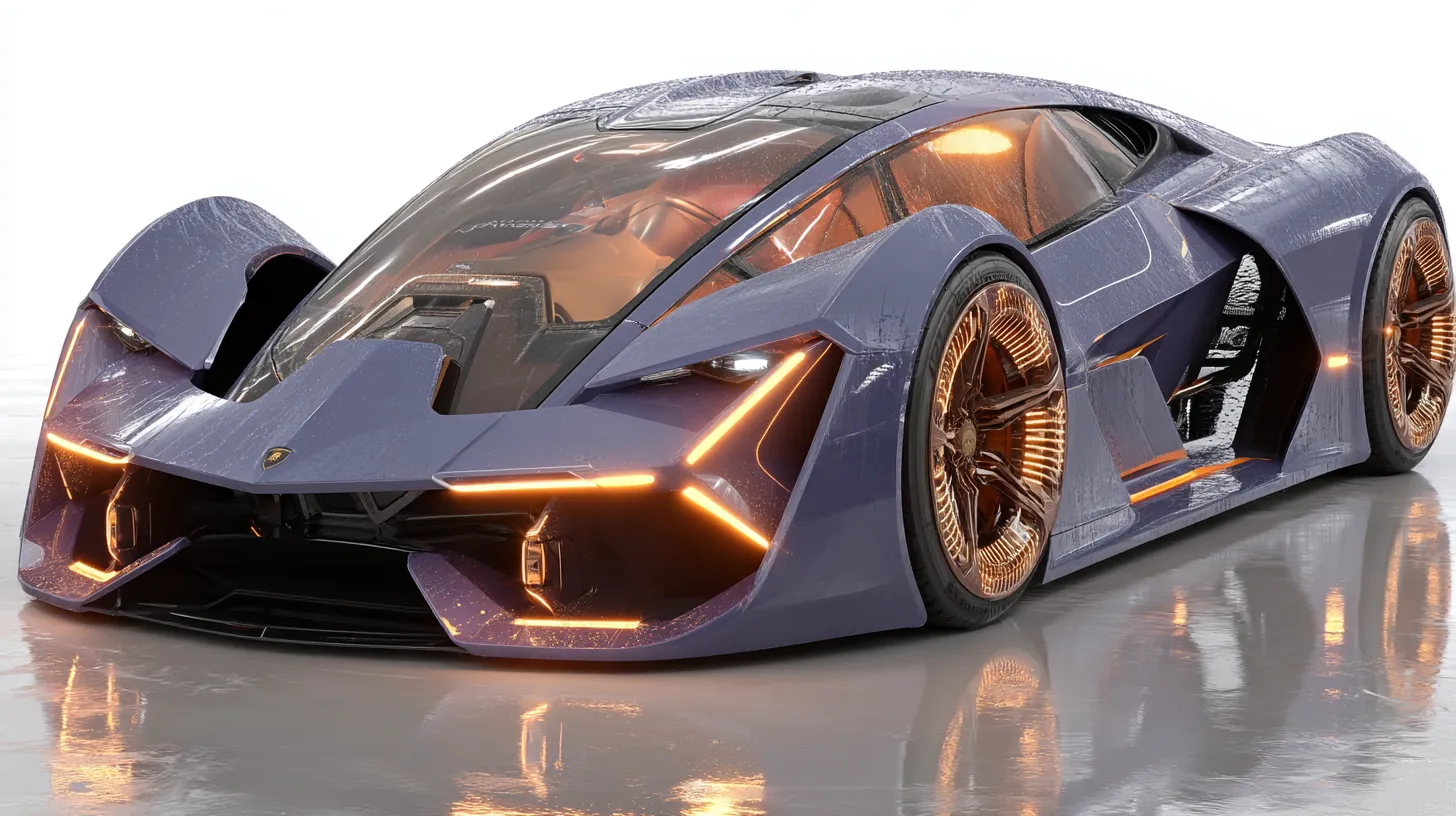
Midjourney excels at creating detailed, compelling objects that range from realistic product visualizations to fantastical artifacts and futuristic technology. The platform's understanding of materials, lighting, and form makes it a powerful tool for object design across every genre and style.
Whether you're a concept artist designing game props, a product designer exploring ideas, or a creative generating detailed item artwork, mastering object prompts unlocks the ability to craft richly detailed items with precise control over materials, lighting, and style. The key is understanding how to describe physical properties, surface finishes, and compositional elements to create believable, visually striking objects.
Master Major Object Categories
Vehicles
Artifacts & Relics
Technology
Weapons
When to Use Object Prompts
Use object design capabilities when you need to:
- Concept art for games/films with detailed props, weapons, and equipment designs.
- Product visualization showing materials, finishes, and design details.
- Fantasy world-building with magical artifacts, relics, and enchanted items.
- Sci-fi design exploring futuristic technology, vehicles, and gadgets.
- Historical reference recreating period-accurate weapons, tools, and artifacts.
Vehicles: Automotive & Aerospace Design
Create detailed vehicles with attention to aerodynamics, materials, and mechanical authenticity—from classic cars to futuristic spacecraft.
Futuristic Hypercar
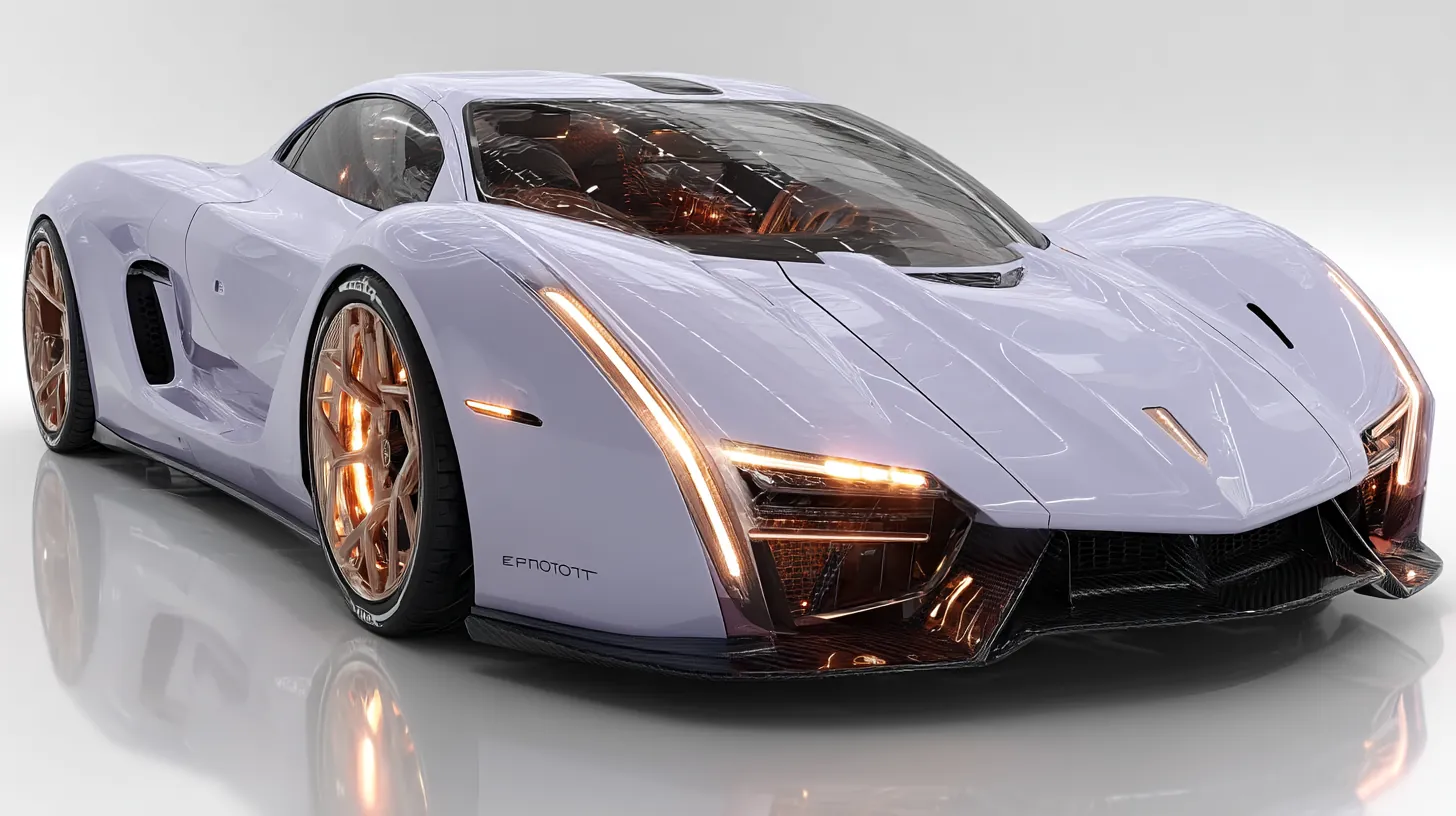
Futuristic hypercar concept design: ultra-low sleek profile with aggressive aerodynamic lines. Design: - **Body**: Active aero elements with movable flaps, sharp angular contours - **Materials**: Carbon fiber body panels with matte finish, metallic accent stripes - **Details**: Low-slung wheels with premium design, LED accents tracing body lines - **Cockpit**: Futuristic interior visible through glass canopy Presentation: - **Lighting**: Studio lighting setup on white backdrop - **Angle**: Symmetrical three-quarter view showing design detail - **Style**: Professional automotive photography, high-end concept car aesthetic --ar 16:9 --stylize 600 --q 2 --style raw
Key Detail: Use automotive design terminology like "aerodynamic lines," "carbon fiber," and "active aero elements" for authentic high-performance aesthetics. Specify "three-quarter view" and "studio lighting" for professional presentation.
Result: A polished concept car suitable for automotive visualization, game assets, or design exploration.
Artifacts & Relics: Mystical Objects
Generate ancient relics, sacred objects, and legendary treasures with authentic aging, material properties, and magical effects.
Ancient Ceremonial Chalice
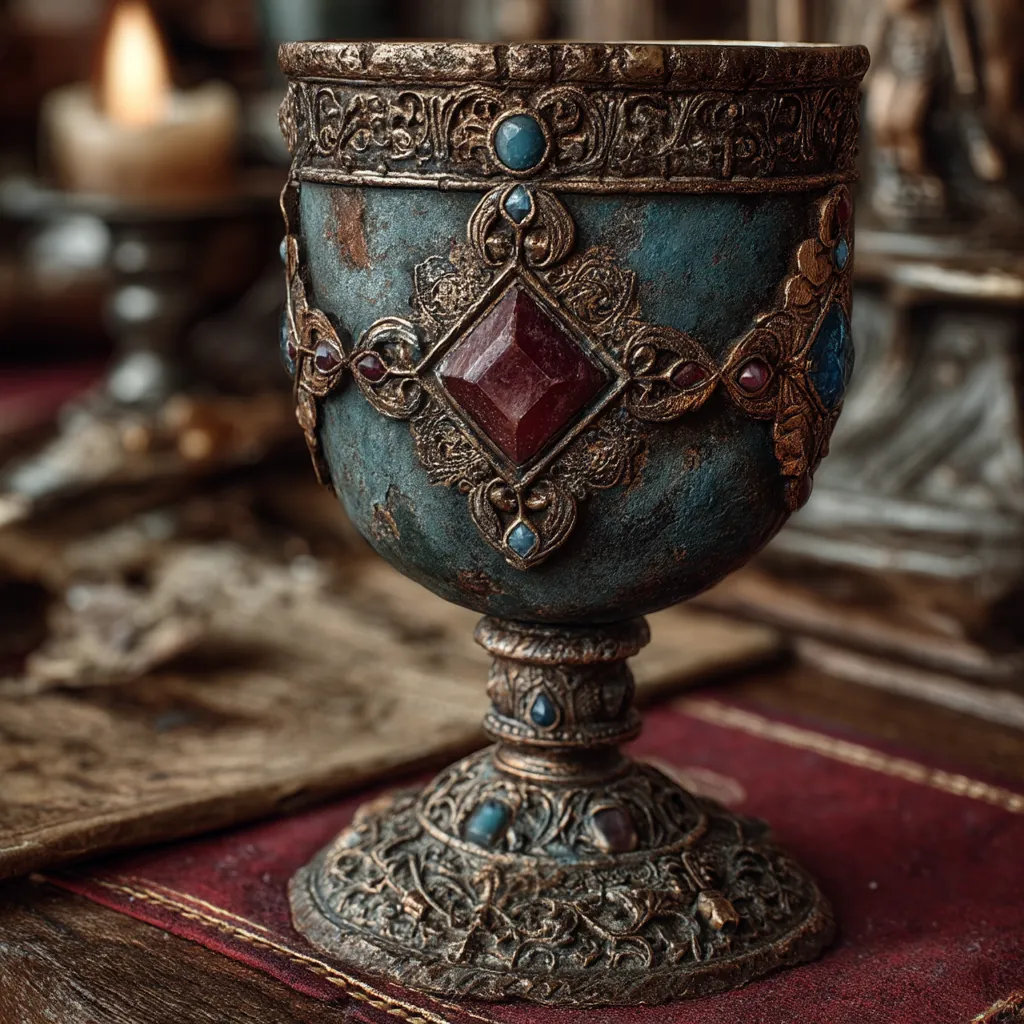
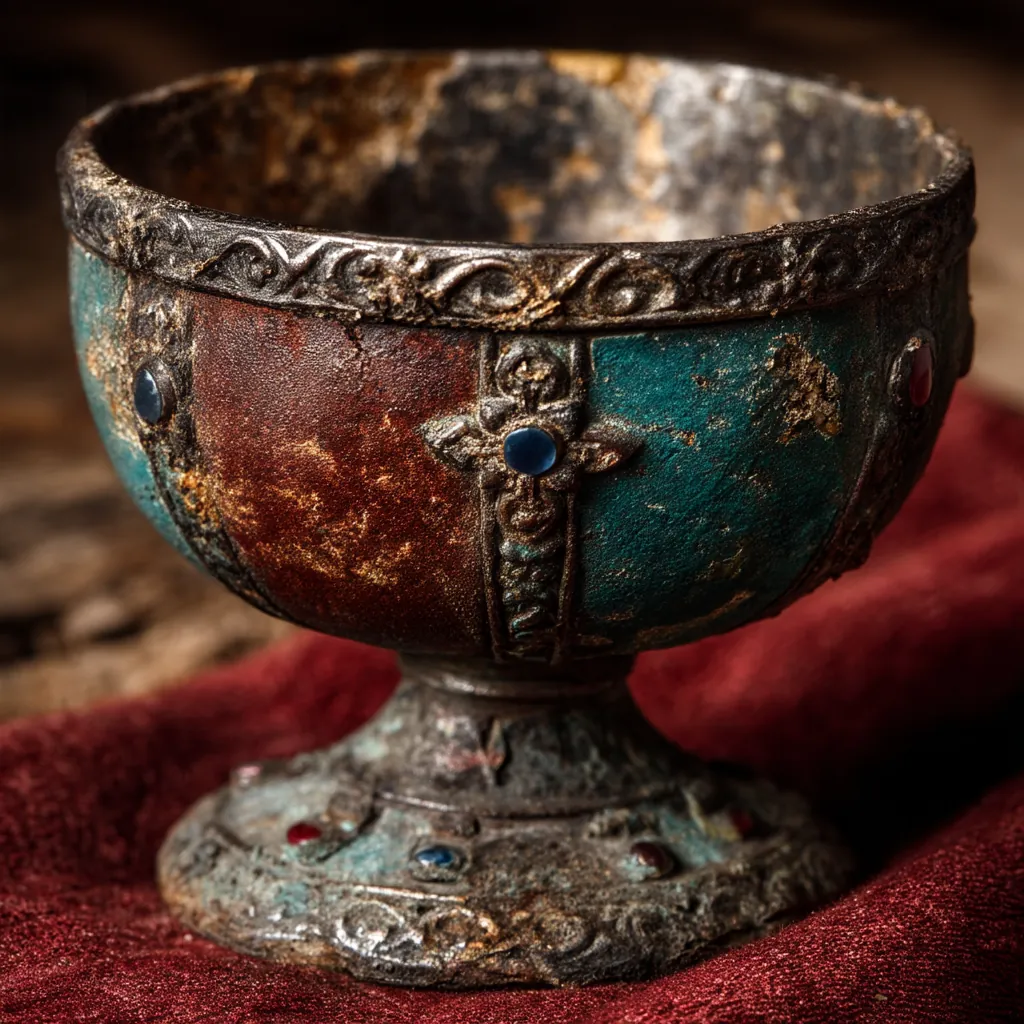
Ancient ceremonial chalice artifact: aged tarnished silver with verdigris patina. Materials: - **Metal**: Tarnished silver with verdigris patina in crevices - **Gems**: Precious ruby and sapphire gems embedded in stem - **Details**: Intricate religious reliefs depicting sacred scenes, ornate filigree patterns Aging & Effects: - **Wear**: Worn edges showing centuries of use - **Aura**: Subtle divine golden aura emanating softly - **Condition**: Archaeological preservation state Presentation: - **Display**: Velvet altar cloth setting - **Lighting**: Dramatic chiaroscuro lighting from candles - **Style**: Museum quality photography, mystical atmosphere --ar 1:1 --stylize 700 --q 2
Key Detail: Use aging descriptors (tarnished, patina, verdigris, worn edges) for authenticity. Include religious symbolism and subtle magical effects without overwhelming. Specify precious materials and gems for visual richness.
Result: An authentic mystical artifact perfect for fantasy game props, illustration reference, or world-building assets.
Technology: Futuristic Devices
Design cutting-edge gadgets, robots, and advanced systems with functional plausibility, energy effects, and sci-fi aesthetics.
Quantum Computing Core
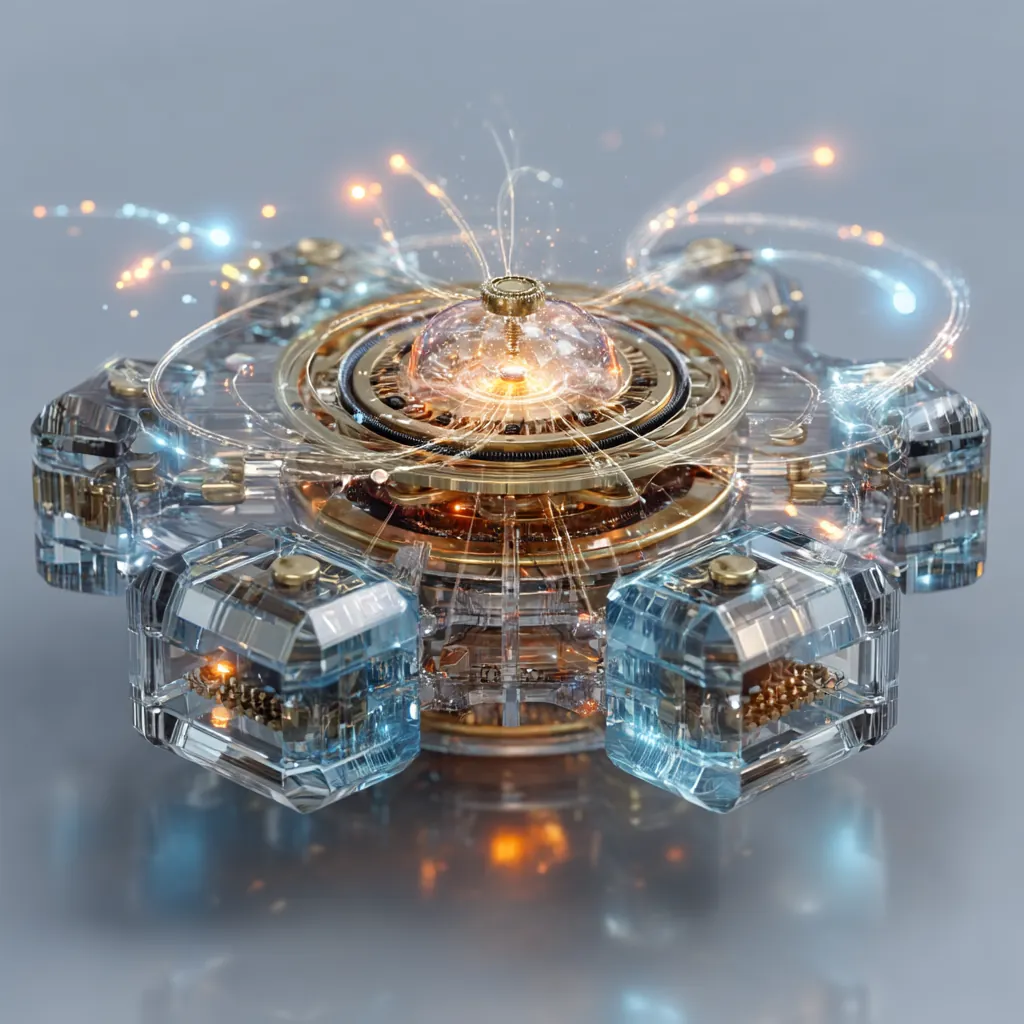
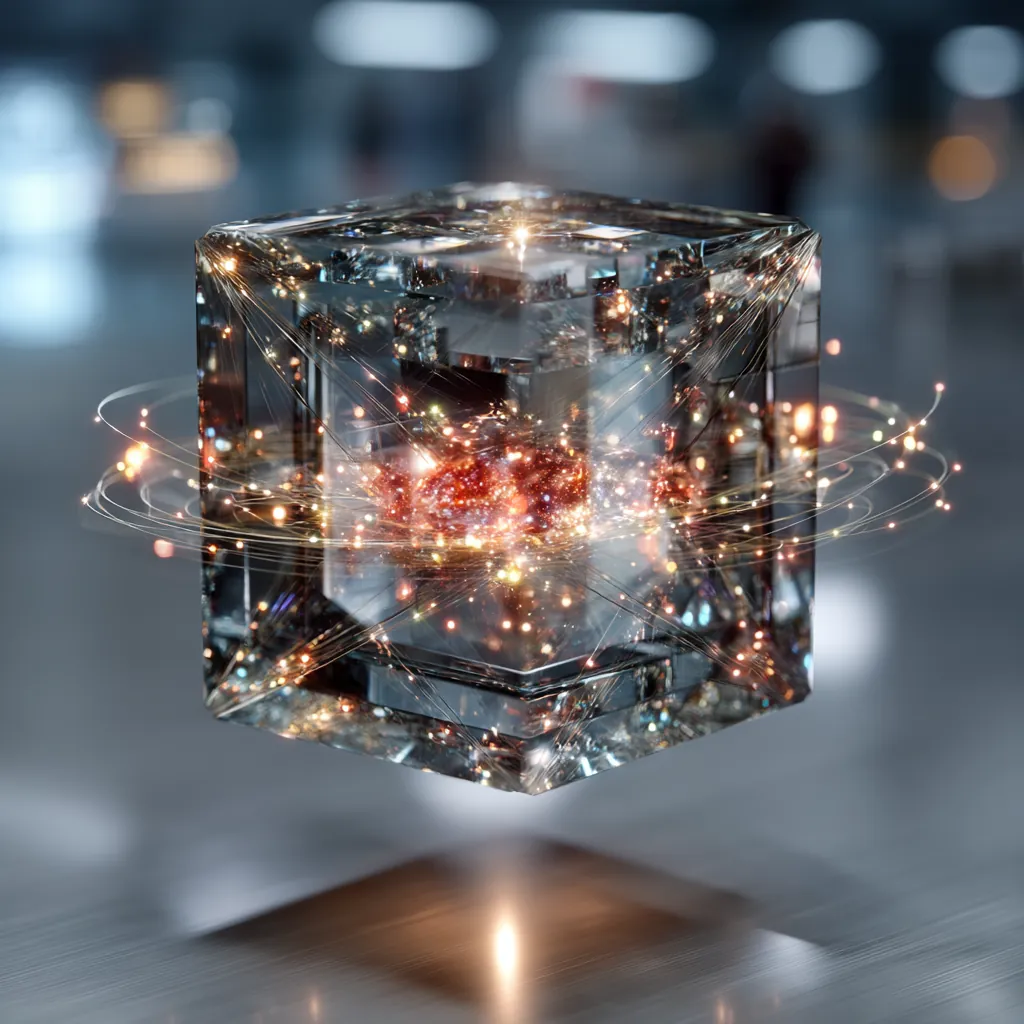
Quantum computing core artifact: central crystalline processor with impossible geometric facets. Structure: - **Core**: Crystalline processor refracting light, suspended in magnetic containment field - **Effects**: Orbiting data particles representing qubits in superposition - **Cooling**: Liquid helium vapor wisps, visible force lines Interface: - **Displays**: Holographic status showing quantum states - **Cables**: Fiber optic cables with pulsing light data - **Environment**: Clean room with blue ambient lighting Presentation: - **Lighting**: Dramatic product photography with reflections - **Style**: Advanced technology aesthetic --ar 1:1 --stylize 750 --q 2
Key Detail: Use quantum terminology (qubits, superposition, containment field) and include impossible geometries for advanced tech feel. Add cooling systems and vapor effects for realism. Reference clean room environments for authenticity.
Result: A highly advanced technology piece suitable for sci-fi concept art, game assets, or futuristic product design.
Weapons: Combat & Fantasy Arms
Craft detailed melee weapons, firearms, and enchanted armaments with authentic materials, functional design, and striking visual impact.
Fantasy Enchanted Sword
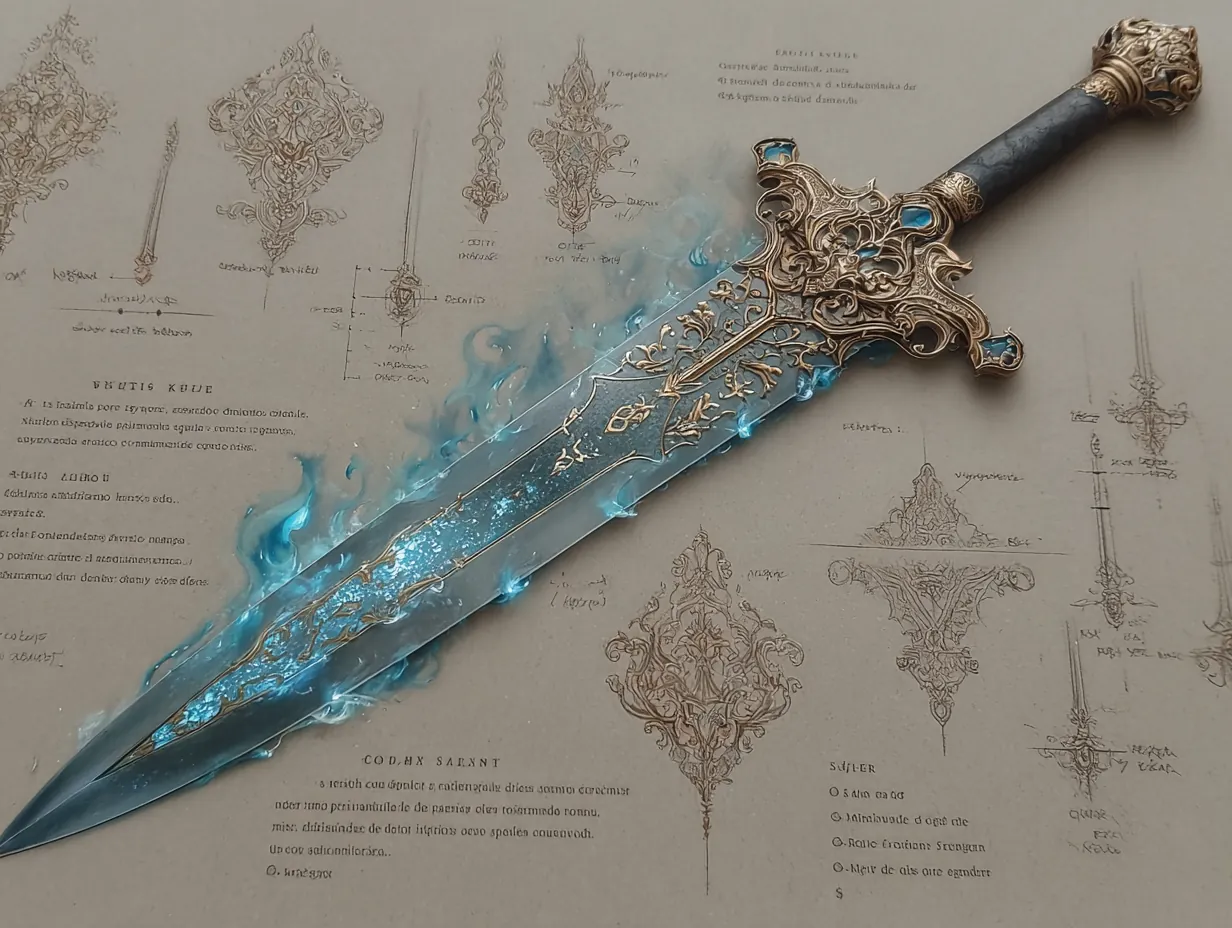
Enchanted longsword concept art: mythril blade with glowing blue runes. Blade: - **Material**: Mythril with ethereal sheen, glowing blue runic inscriptions - **Edge**: Razor-sharp with subtle magical glow along cutting edge - **Length**: Classic longsword proportions Hilt: - **Crossguard**: Ornate dragon-themed design with swept wings - **Grip**: Leather-wrapped with intricate binding pattern - **Pommel**: Large gemstone with inner magical light Effects: - **Aura**: Ethereal magical energy emanating from blade - **Lighting**: Dark studio with rim light highlighting edges - **Style**: Fantasy concept art, dramatic presentation --ar 16:9 --v 6 --stylize 750
Key Detail: Balance functional weapon design with fantasy elements. Include specific materials (mythril), magical effects (glowing runes, ethereal aura), and authentic construction details (crossguard, grip, pommel). Dark backgrounds with rim lighting showcase weapon details dramatically.
Result: A striking fantasy weapon suitable for game assets, illustration reference, or character equipment design.
Choosing Your Object Type
| Category | Best For | Key Characteristic |
|---|---|---|
| Vehicles | Transportation, automotive design, sci-fi craft | Aerodynamic forms, mechanical detail, material finishes |
| Artifacts | Fantasy props, historical items, magical objects | Material aging, mystical effects, cultural authenticity |
| Technology | Sci-fi gadgets, robots, futuristic devices | Functional design, energy effects, advanced materials |
| Weapons | Combat equipment, fantasy arms, historical weapons | Material properties, functional form, dramatic presentation |
Essential Object Parameters
Fine-tune your object creations with these key settings.
Critical Object Parameters
Note:
When creating objects, describe from structure to detail: start with overall form and materials, then add surface treatments and finishes, then specific details like engravings or energy effects, and finally presentation and lighting.
Prompt Structure Best Practices
Note:
Master object composition by building from general to specific: object type → materials → construction details → surface treatments → special effects → presentation style.
Universal Object Template
[Specific object type]:

[Physical Construction]:
- **Materials**: [primary and secondary materials]
- **Structure**: [form, proportions, key components]
- **Details**: [engravings, patterns, functional elements]

[Surface & Effects]:
- **Finish**: [surface treatment, texture, wear]
- **Special**: [magical effects, energy, lighting features]
- **Condition**: [new, aged, battle-worn, pristine]

[Presentation]:
- **Display**: [setting, surface, context]
- **Lighting**: [light source, quality, mood]
- **Style**: [photography type, artistic approach]
--ar [ratio] --stylize [value] --q 2
Key Composition Principles
-
Material Authenticity:
- Specify exact materials (carbon fiber, tarnished bronze, mythril)
- Include surface treatments (polished, brushed, weathered, patina)
- Reference manufacturing methods when relevant (forged, cast, machined)
-
Functional Believability:
- Objects should look like they could work or be used
- Include mechanical details that suggest function (hinges, joints, mechanisms)
- Balance decoration with practical design
-
Lighting as Storytelling:
- Studio lighting for product presentation (clean, professional)
- Dramatic lighting for fantasy/sci-fi (rim light, underlighting, glows)
- Environmental lighting for contextual shots (natural, atmospheric)
-
Detail Hierarchy:
- Primary details define the object (blade shape, body lines)
- Secondary details add character (engravings, trim, accents)
- Tertiary details add realism (wear marks, reflections, subtle textures)
Prompt Engineering for Objects
1. Establish Clear Material Properties
✓ "Polished titanium frame with brushed aluminum panels, carbon fiber accents, and matte black rubber grip surfaces"

✗ "Metal and plastic construction"
Why: Specific material descriptions trigger accurate surface rendering and realistic light behavior.
2. Specify Form and Proportions
✓ "Sleek elongated form with aggressive forward rake, low profile stance, swept aerodynamic lines flowing from nose to tail"

✗ "Streamlined design"
Why: Precise form language guides composition and creates objects with intentional visual character.
3. Include Functional Details
✓ "Articulated finger joints with visible servo motors, tactile sensor pads on fingertips, neural interface port at wrist with fiber optic connections"

✗ "Robot hand with mechanical parts"
Why: Functional details create believable objects that look like they could actually work.
4. Balance Detail with Clarity
✓ "Ornate gold filigree around rim, central ruby gemstone, aged patina in recessed areas"

✗ "Gold decorations with gems and patterns and engravings and symbols and textures everywhere"
Why: 3-5 key details are more effective than overwhelming lists. Quality over quantity.
Common Object Mistakes to Avoid
Material Issues
- Vague materials: "Metal" instead of "brushed stainless steel with satin finish"
- Conflicting properties: Describing something as both "polished mirror finish" and "matte textured"
- Missing wear: Brand-new materials feel artificial for aged or used objects
- Unrealistic combinations: Materials that wouldn't realistically be used together
Form and Proportion Problems
- Unclear scale: No reference for how large or small the object is
- Impossible physics: Objects that couldn't balance or be held
- Conflicting styles: Mixing incompatible design eras or aesthetics
- Over-complexity: Too many competing design elements fighting for attention
Presentation Issues
- Flat lighting: No dimension or depth to showcase materials
- Cluttered backgrounds: Competing elements distract from the object
- Wrong angle: View that doesn't show the object's best features
- Missing context: Scale and purpose unclear without setting
Effect Overload
- Too much magic: Glowing everything obscures actual design
- Conflicting energy colors: Multiple incompatible effect colors
- Effect without source: Magical glows with no apparent origin point
- Overwhelming particles: Floating elements dominate instead of accent
Tips for Mastering Object Creation
Research and Reference
- Study real-world examples in each object category
- Analyze how materials behave under different lighting
- Understand construction methods and functional requirements
- Learn design language specific to each category (automotive, military, fantasy)
Parameter Optimization
- Use
--q 2for detailed objects—material and surface clarity require quality - Test aspect ratios for your composition type (1:1 for centered, 16:9 for profile views)
- Use
--stylize 500-650for realistic objects, 650-750 for fantasy/sci-fi - Try
--style rawfor product photography and technical documentation
Composition Techniques
- Choose viewing angles that showcase key design features
- Include subtle scale references when size matters
- Use negative space to let objects breathe
- Create compositional balance through placement and lighting
Iterative Refinement
- Start with core object description, then refine specific elements
- Test different material combinations and finishes
- Adjust lighting to reveal or hide specific details
- Build variation library of successful prompt patterns
Object Creation Workflow
Phase 1: Concept & Planning
- Define specific object type and purpose
- Establish target aesthetic (realistic, fantasy, sci-fi, historical)
- Choose primary materials and finish
- Decide on presentation style and lighting approach
Phase 2: Prompt Construction
- Start with object type and category
- Layer in material descriptions and construction details
- Add surface treatments and special effects
- Specify presentation, lighting, and composition
- Set parameters (ratio, quality, style, stylize)
Phase 3: Initial Generation
- Generate at full quality with all parameters
- Evaluate material rendering and surface detail
- Check proportions and form accuracy
- Assess lighting and presentation effectiveness
Phase 4: Refinement & Iteration
- Adjust materials that missed the mark
- Refine effects if too subtle or overwhelming
- Improve lighting if flat or unclear
- Enhance details if too generic
- Iterate on specific elements that need polish
Phase 5: Documentation & Archiving
- Save final prompt with working parameters
- Document what worked and what didn't
- Create variations with different materials or styles
- Build reference library for similar object types
Object Inspiration by Use Case
Game Asset Design
- Focus on silhouette readability and iconic design
- Include functional details that suggest gameplay use
- Use consistent style within object category
- Consider how objects look at various scales
- Emphasize material clarity for rendering in engines
Product Visualization
- Maintain photorealistic material properties
- Use studio lighting for professional presentation
- Focus on surface finish and manufacturing quality
- Include subtle imperfections for authenticity
- Match real-world material behavior
Fantasy World-Building
- Balance magical effects with believable construction
- Create consistent material palettes within worlds
- Use cultural references for authenticity
- Layer aging and wear for lived-in feel
- Suggest narrative through design choices
Sci-Fi Concept Art
- Combine functional plausibility with imaginative design
- Use consistent technology level across objects
- Include energy effects that suggest power source
- Reference recognizable tech for grounding
- Push design boundaries while maintaining logic
Pro Tip:
The most compelling objects balance visual impact with functional believability. Think like a prop designer: consider who made this object, how it's used, and what story it tells through its design, materials, and wear patterns.
Common Object Rendering Challenges
Challenge: Materials Look Flat
Solution: Specify exact finish types with light behavior. Use "polished chrome with sharp reflections," "brushed aluminum with directional grain," or "matte ceramic with subtle texture" instead of just material names.
Challenge: Objects Lack Weight
Solution: Include construction details that suggest mass. Describe "solid forged steel" vs "hollow stamped metal," add wear marks in appropriate places, and use lighting that creates shadows suggesting three-dimensional form.
Challenge: Effects Overwhelm Design
Solution: Use "subtle" and "faint" qualifiers for magical effects. Layer effects from source point outward. Limit to 1-2 effect types per object. Ensure underlying object design is solid before adding effects.
Challenge: Scale Unclear
Solution: Include contextual elements (hand for grip reference, surface texture for scale), mention dimensions in description ("palm-sized," "two-handed"), or place objects in environments with known scale references.
Challenge: Style Inconsistency
Solution: Commit to one design language throughout. If fantasy, use fantasy materials and effects consistently. If sci-fi, maintain technology level. Don't mix medieval construction with modern materials unless intentional.
Back to Midjourney Prompting Guide →
Related Articles & Guides
 #Midjourney
Mastering Character Portraits in Midjourney: Techniques, Styles, and Prompts
Create stunning character portraits with Midjourney using advanced prompts, lighting techniques, and artistic parameters. Explore photorealistic, artistic, fantasy, and vintage portrait styles.
 #Midjourney
Mastering Sci-Fi Characters in Midjourney: Futuristic Beings and Advanced Technology
Create stunning sci-fi characters with Midjourney using advanced prompts for aliens, cyborgs, androids, and futuristic beings. Master technological integration and futuristic aesthetics.
 #Midjourney
Crafting Fantasy Worlds in Midjourney: Prompts & Techniques
Master Midjourney prompts to create enchanting fantasy environments, from magical realms to mythical landscapes. Explore techniques for world-building and atmospheric effects.