Literature Review Guide
Master the art of literature review with ChatGPT prompts designed to help you analyze and synthesize academic sources effectively.

A comprehensive literature review is the foundation of quality academic research. Whether you're working on a thesis, dissertation, or research article, the ability to analyze, synthesize, and critically evaluate academic sources is essential. This guide provides ChatGPT prompts to help you navigate every stage of the literature review process—from defining your scope to identifying research gaps.
These prompts are designed to help you work more efficiently while maintaining academic rigor. You'll learn how to develop systematic search strategies, critically evaluate sources, identify thematic patterns, and synthesize findings into a coherent narrative. For best results, combine these prompts with proper citation practices to ensure academic integrity throughout your review.
Note:
Pro Tip: Start broad and narrow down. Begin with general searches to understand the landscape, then refine your scope based on emerging themes. Document your search strategy from the beginning—you'll need it for your methodology section and it helps ensure reproducibility.
Planning Your Review
Scope Definition
Help me define the scope for my literature review:
Topic: [research topic]
Field: [academic field]
Purpose: [thesis/dissertation/article]

Consider:
- Key research questions and objectives
- Time period coverage (years/decades)
- Source types (empirical/theoretical/review)
- Theoretical frameworks and models
- Geographical or cultural boundaries
- Language restrictions
- Publication types to include
Search Strategy
Help me develop a comprehensive search strategy for literature on [topic]. Include:
- Primary keywords and synonyms
- Boolean operators and combinations
- Relevant databases and journals
- Inclusion/exclusion criteria
Source Analysis
Critical Evaluation
Help me evaluate this source:
Title: [paper title]
Authors: [names]
Publication: [journal/book]
Year: [year]

Analyze:
- Research methodology and design
- Sample characteristics and selection
- Data collection and analysis methods
- Key findings and conclusions
- Study limitations and biases
- Theoretical foundation
- Statistical significance
- Practical implications
Thematic Analysis
Help me analyze these sources:
Topic: [research focus]
Sources: [list of papers]
Purpose: [analysis goal]

Identify:
- Major themes and patterns
- Contradictory findings
- Methodological approaches
- Theoretical frameworks
- Research trends
- Geographic variations
- Temporal developments
- Knowledge gaps
Synthesis & Writing
Once you've analyzed your sources, you need to synthesize findings into a coherent narrative. This involves more than summarizing—you must critically compare, contrast, and integrate diverse perspectives. Learn more about effective essay writing techniques to craft compelling academic prose.
Source Integration
Help me integrate these sources:
Main argument: [your argument]
Sources: [list of papers]
Integration goal: [purpose]

Ensure:
- Logical flow and progression
- Clear thematic connections
- Balanced perspective
- Proper citations and attribution
- Critical comparison
- Methodological synthesis
- Theoretical alignment
- Evidence strength assessment
Gap Analysis
Help me identify research gaps:
Field: [research area]
Current knowledge: [summary]
Review period: [timeframe]

Analyze:
- Unexplored research areas
- Methodological limitations
- Conflicting or inconclusive results
- Theoretical inconsistencies
- Population/sample gaps
- Geographical limitations
- Technological advances needed
- Future research opportunities
Organization
Structure Planning
Help me organize my review:
Topic: [research focus]
Themes: [main themes]
Length: [word count/pages]

Plan:
- Logical section sequence
- Theme integration approach
- Evidence distribution
- Argument progression
- Counter-argument placement
- Visual aid integration
- Section transitions
- Executive summary structure
Best Practices
Following these best practices ensures your literature review meets academic standards and provides value to your research. A systematic approach not only improves quality but also makes the process more manageable, especially when working under tight deadlines like those for exam preparation.
- Start with a clear research question
- Use systematic search strategies
- Evaluate sources critically
- Identify patterns and relationships
- Maintain objective perspective
- Support claims with evidence
- Update search regularly
Note:
Important: Never lose track of your sources. Use a citation management tool (Zotero, Mendeley, EndNote) from day one. Trying to reconstruct citations later wastes hours and risks plagiarism. Export your database regularly as a backup.
Related Articles & Guides
 #academic-writing
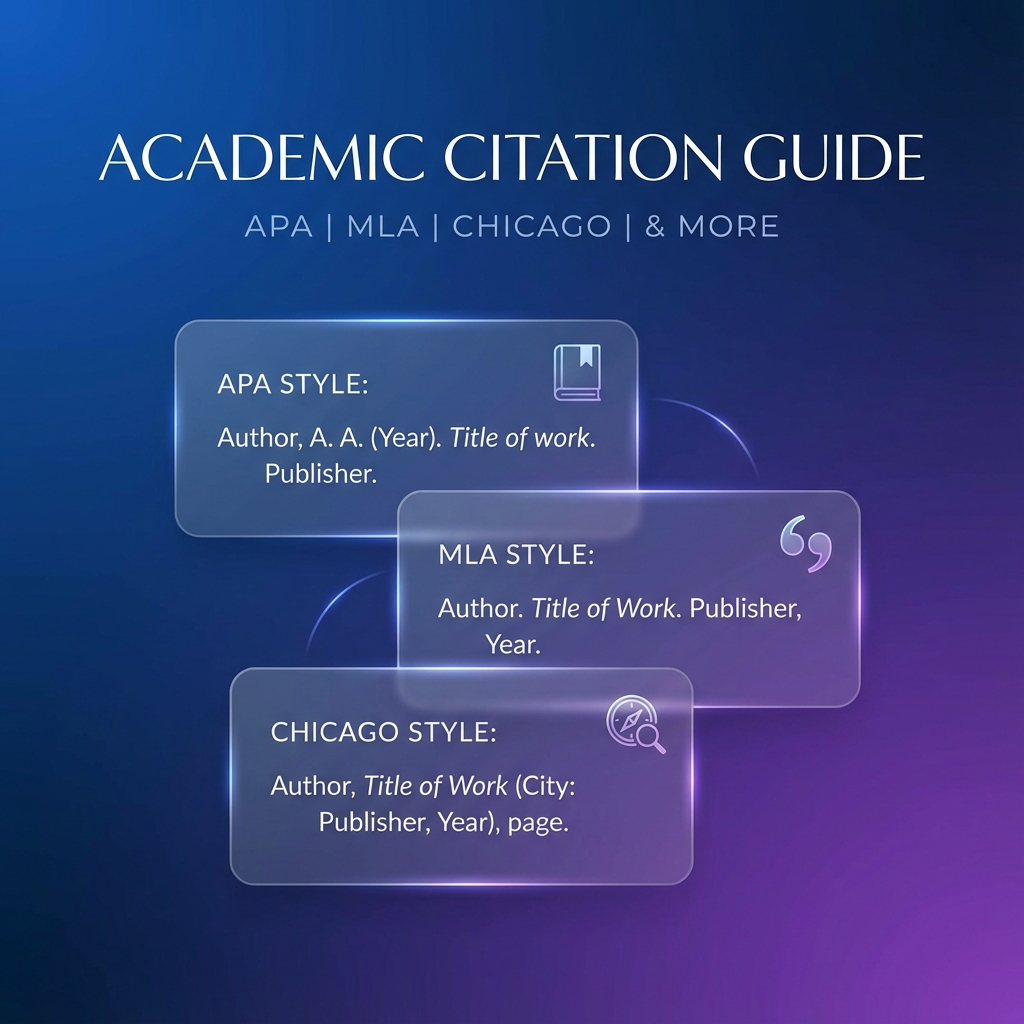
Academic Citation Guide
Master academic citations with these comprehensive prompts designed to help you properly cite sources, manage references, and handle complex citation scenarios in academic writing.
 #academic-writing
Academic Writing Resources
Enhance your academic writing with our comprehensive collection of ChatGPT prompts designed for research, essays, and scholarly work.
Grok Domain Applications: Research, Code & Analysis
Explore Grok prompting strategies for research, fact-checking, and code generation where real-time data access delivers unmatched accuracy.