Film Noir & Neo-Noir SREF Collection
Master curated Midjourney SREF codes for classic and contemporary film noir aesthetics. Control dramatic shadows, moody lighting, and mystery atmosphere with precise style references.

Film Noir & Neo-Noir SREF Collection
Introduction
SREF (Style Reference) codes unlock the distinctive dark, moody aesthetics of film noir and neo-noir cinema in Midjourney. Whether you're crafting atmospheric detective scenes, mysterious urban narratives, or stylized thriller visuals, the right SREF codes instantly establish the cinematic mood without lengthy descriptions.
This collection features carefully curated SREF codes capturing both classic film noir's dramatic chiaroscuro and deep shadows, and contemporary neo-noir's modern cinematography with stylized darkness. Each code has been tested to ensure consistent, professional results across different subjects. Learn how to apply style weights, combine codes for unique atmospheres, and master the interplay of shadow and light that defines the noir aesthetic.
When to Use SREF Codes for Film Noir & Neo-Noir
SREF codes for noir aesthetics are ideal when you want to create atmospheric, moody cinematic visuals. They're most effective when you need:
- Dramatic shadow and light contrast (chiaroscuro) without complex lighting descriptions
- Consistent noir atmosphere across a series of images
- Mystery and tension in character and scene composition
- Period-appropriate styling for classic noir or contemporary updates for neo-noir
- Professional cinematic quality with minimal prompt adjustments
- Urban, detective, or thriller narratives with instant visual authenticity
SREF Code Collection (3 Curated Entries)
Classic Film Noir Chiaroscuro
Code: --sref 1437169138
The quintessential film noir aesthetic featuring dramatic chiaroscuro lighting with deep shadows, high contrast blacks and grays, and moody atmospheric depth. Perfect for creating authentic 1940s-50s noir scenes with classic composition and visual storytelling.
Best for: Detective scenes, noir narratives, classic 1940s-50s aesthetics, dramatic character portraits, mystery scenes, urban night settings
Recommended weight: --sw 100-150
Version compatibility: V6, V7
a weary detective in a fedora and overcoat standing in a rain-soaked alley, dramatic shadows on face, neon sign glowing red in background, high contrast black and white, film noir atmosphere --sref 1437169138 --sw 130
Pro Tip:
This classic noir code responds exceptionally well to descriptions of lighting conditions. Mention "shadows across the face," "neon glow," or "moonlit" to enhance the dramatic interplay of light and dark that defines the style.
80's VHS Film Noir
Code: --sref 1087654321
Classic film noir cinematography and sleek composition rendered through degraded 1980s VHS tape quality. Features scan-lines, pixelation, and oversaturated colors while maintaining the clean framing and dramatic composition of traditional noir. Blends moody noir aesthetics with retro analog video degradation for a vintage detective thriller look.
Best for: Retro noir narratives, vintage detective stories, 80's-styled noir thrillers, cyberpunk characters in noir settings, campy noir homage, nostalgic crime drama aesthetics
Recommended weight: --sw 110-160
Version compatibility: V6, V7
a sharp cyberpunk detective in sleek armor standing in neon-lit rain-soaked streets, bold geometric shapes, bright pinks and cyans, strong shadows and clean lines --sref 1087654321 --sw 130

Variation 1
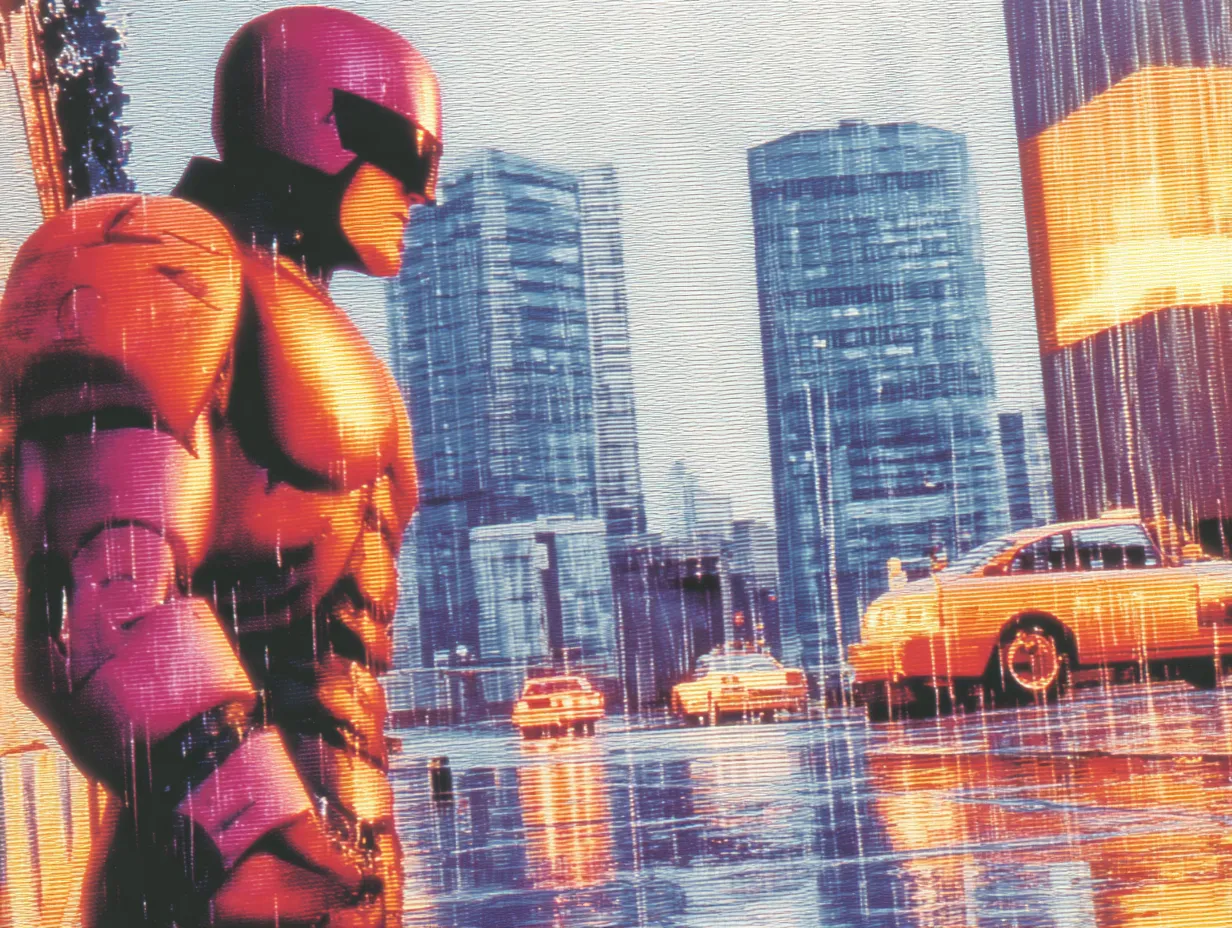
Variation 2
Character Development Tip:
Neo-noir works beautifully with descriptions that blend classic noir tropes with contemporary elements. Try pairing it with "modern dress," "contemporary setting," or "digital aesthetic" for striking results.
Mystery Thriller Atmospheric Lighting
Code: --sref 3165928740
Atmospheric mystery thriller aesthetic with tension-building lighting and composition. Features moody environments with strategic light placement, psychological depth in shadows, and cinematic tension perfect for suspenseful narratives and thriller visuals.
Best for: Thriller scenes, suspenseful narratives, mystery setups, psychological drama, tense character moments, noir-adjacent thrillers, atmospheric environments
Recommended weight: --sw 100-140
Version compatibility: V6, V7
a figure in a dimly lit abandoned warehouse, mysterious silhouette backlit by single light source, atmospheric tension, deep shadows creating sense of danger and mystery, cinematic composition --sref 3165928740 --sw 125
Note:
This code emphasizes psychological tension through lighting. For best results, focus your prompt on creating uncertainty and suspense—describe what the viewer should feel, not just what they see.
Tips for Film Noir & Neo-Noir SREF Use
When creating noir aesthetics with SREF codes, keep these cinematic principles in mind:
- Lighting language: Use noir-specific vocabulary: "chiaroscuro," "dramatic shadows," "high contrast," "backlighting," "silhouette" to guide the SREF toward authentic noir composition
- Color control: Classic noir responds to "black and white" or "grayscale" descriptors. Neo-noir thrives with specific color pairs: "cool blues and warm oranges," "neon and shadow," "color-graded"
- Atmospheric density: Noir relies on mood. Include environmental details like "rain," "fog," "smoke," "shadows on wet pavement" to deepen the atmosphere
- Character positioning: Describe characters against light sources rather than in neutral lighting. "Silhouetted against a window," "face half in shadow," "backlit by neon" creates instant noir composition
- Avoid clarity: Noir thrives on mystery and obscured details. Resist the urge to describe everything clearly—let shadows and darkness do the storytelling
- Series consistency: Use the same SREF code across multiple images to maintain visual consistency in a noir narrative arc
Related SREF Collections
Explore other cinematic SREF categories to expand your visual storytelling toolkit:
- Epic & Blockbuster SREF Codes - Master grand cinematic aesthetics with sweeping compositions and dramatic scale
- Sci-Fi Cinema SREF Codes - Unlock futuristic cinematography styles for immersive sci-fi visuals
- Horror & Thriller SREF Codes - Create tension-filled atmospheric horror with cinematic precision
Related Articles & Guides
 #midjourney
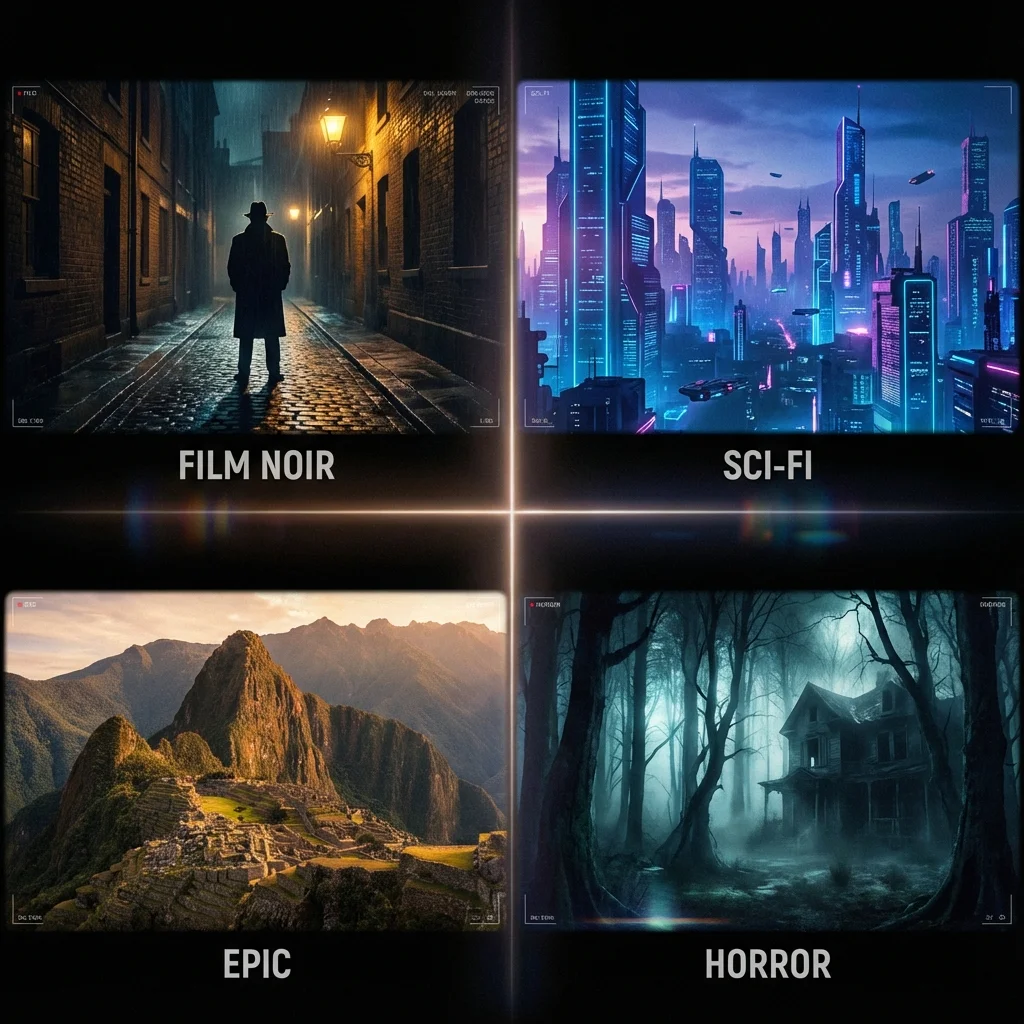
Cinematic SREF Codes for Midjourney Film-Quality AI Art
Curated cinematic Midjourney SREF codes for film-quality visuals and movie-style aesthetics. Transform your AI art with professional cinematography techniques.
 #midjourney
Midjourney Epic Blockbuster SREF Codes: Cinematic Guide
Discover Midjourney SREF codes for epic blockbuster aesthetics. Generate grand scale visuals, dramatic lighting, and high-budget cinematic shots. Explore now.
 #midjourney
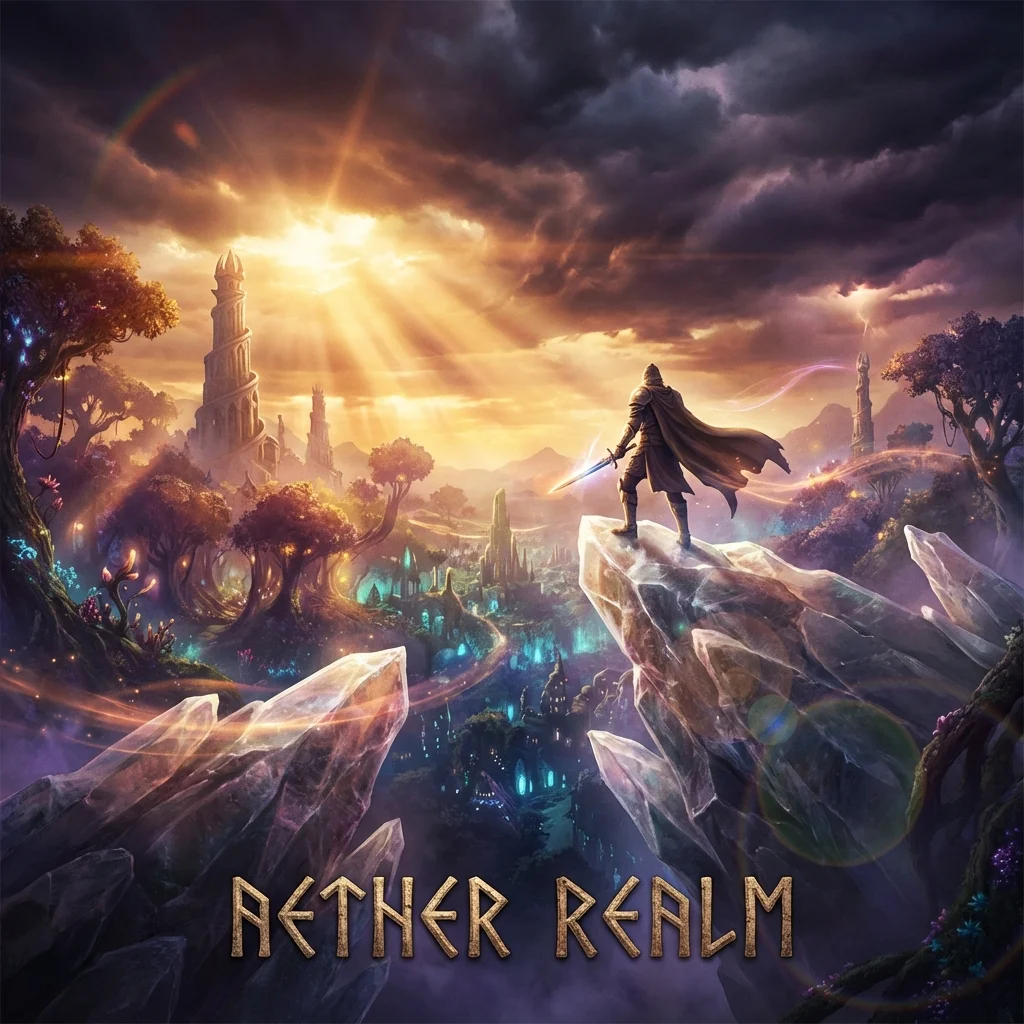
Midjourney Fantasy SREF Codes: Cinematic Adventure Prompts
Discover Midjourney SREF codes for creating fantasy and adventure cinematics. Generate magical worlds with wonder-filled cinematography and vibrant palettes.